— By Dr. Vikash Sharma
Always take good care of your pet, and in return, you will get a lifetime of love Here are tips to keep the zoomies going. Health and happiness always for your furry companion.

- Refrain from having your domestic help walk your pet, as walking your pet is the ultimate bonding experience.
- There are several diseases that your pet is exposed to; hence, vaccinate as per your vet’s advice regularly.
- Groom your pet regularly. This will not only ensure that they look well but also help you assess their physical health. Check for ticks, lumps, or any other skin issues. Keep an eye on your pet’s teeth, nails, and ears.
- Wipe your pet’s paws after an outside walk and wash your hands clean.
- Remember that first aid administered to your pet should always be followed by immediate veterinary care. First aid is not a substitute for veterinary care, but it may save your pet until it receives veterinary care.
- Do not medicate your pet with human medicines without veterinary advice. Drugs used for humans may not always be beneficial to animals.
- If your pet is one of those naughty kinds and giving you a tough time with brushing their teeth, then squeeze some doggie toothpaste on a rope toy or nylon bone and let him play. This will ensure healthy teeth and make teeth brushing a fun exercise for both of you.
- In case your pet urinates on your carpet every time he gets excited on seeing you, then sprinkle some baking soda over the spot and vacuum it up after some time.
- Breeds like Labradors eat very fast, increasing their risk of choking. Placing an obstacle like a ball or toy will help your pet eat slowly. You can also buy slow-feeding bowls for your pet.
- Make sure to never overfeed your furry friend. Feed quantities as specified by the pet food manufacturer. You cannot just give your pet home-cooked meals. Pet food is made by experts keeping in mind the nutritional requirements of your pet.
- Always buy pet food from reputable companies and pet stores, following the advice of your veterinarian.
- Chocolates, alcohol, onion, garlic, yeast dough, sugar, raisins – All these are a big ‘No’ for your pet.
- Feeding veggies to your pet can be a difficult exercise. Cut up veggies into small pieces, dip them in chicken broth, freeze them into ice cubes, and feed your pet with this, especially after you come home after a long walk. This way, your pet gets all the nutrients and hydration!
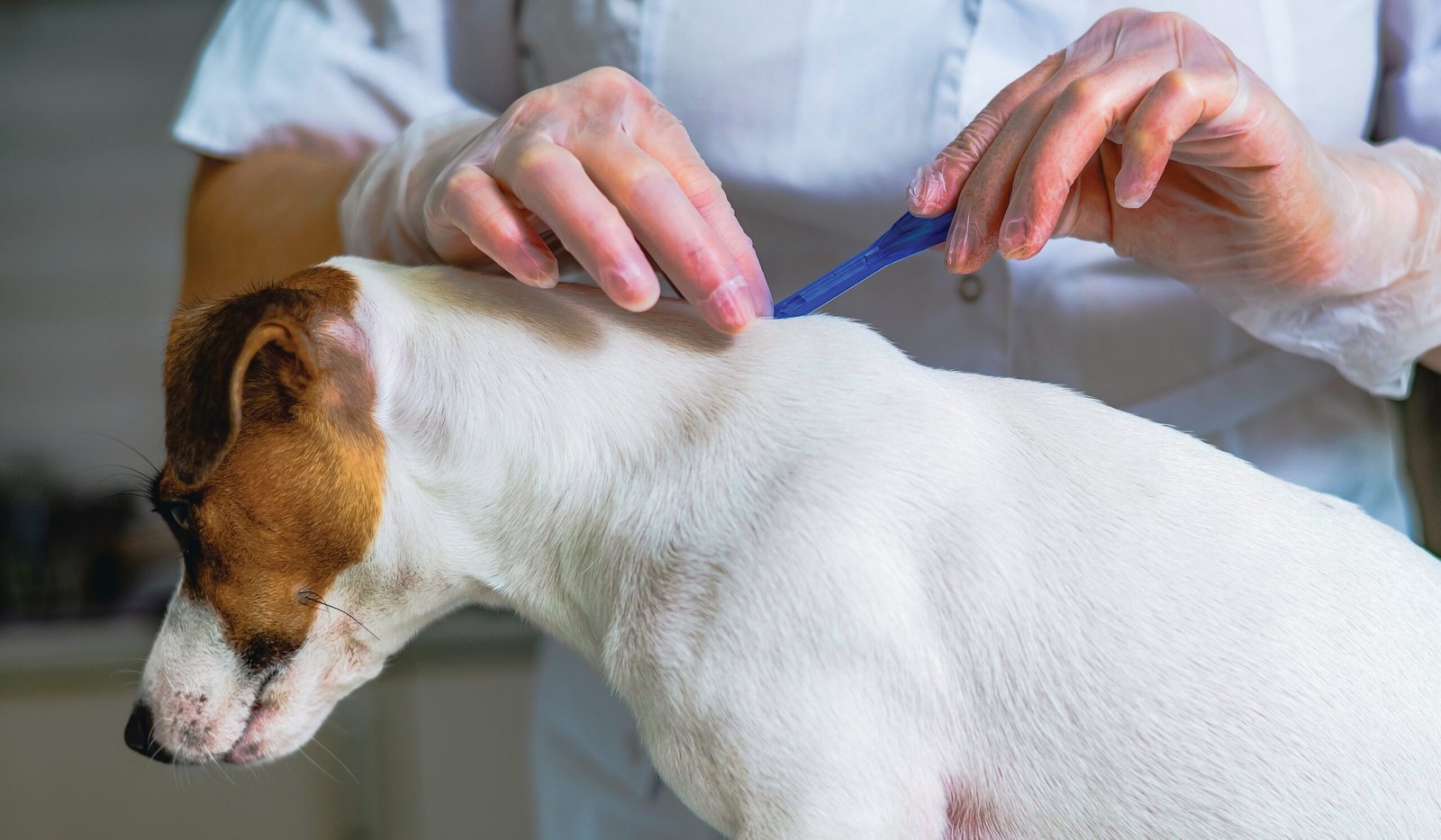
- Remove ticks carefully. It could be painful for your pet. Apply liquid soap on a cotton ball and swab the tick with it for some time. The tick will come out on its own and get stuck to the cotton ball when you remove it. Always see your vet if tick infestation is heavy.
- Regular dental check-ups and dental cleaning are a must for all pets. Using teeth-cleaning chewies helps. Cut parsley into small pieces and sprinkle over pet food for cleaner breath.
- Many pets get allergic reactions to common things like household cleaning chemicals, paints, dust, and even food allergies. Being able to identify these things and looking out for allergic reactions should be part of your close monitoring.
- As with all unwanted behaviour, jumping up its best if it is not allowed to start and become a bad behaviour in the first place. Invest time and effort in the proper training of your pet.
- Even if you think that your cute pet wants to lick your face, you are best advised not to let him do it. It is unhygienic and not as much fun when the pet is fully grown.
- It is best to get your pet neutered. Ask your vet more about it – when is the right time, recovery process, etc. Neutering is not just good for your pet’s health, but it also helps avoid certain behaviour issues related to a lack of mating chances.
- If you have a blind pet, it is best to cover sharp edges at home with corner protectors, and remember never to startle them with surprises because they may snap at you as a self-protection mode.
- A monthly visit to your vet when your puppy is up to a year old and a bi-annual health checkup after 7 years of age should be a must to ensure good health and a long life for your pet. Vaccinate regularly.
- Follow the medication advice suggested by your vet. Do not cut back on medicines and keep your vet aware if you miss a dose.

(Dr. Vikash Sharma – M.V.Sc. & A.H.(Surgery), Animo Pet Care & Research Center, Patna)