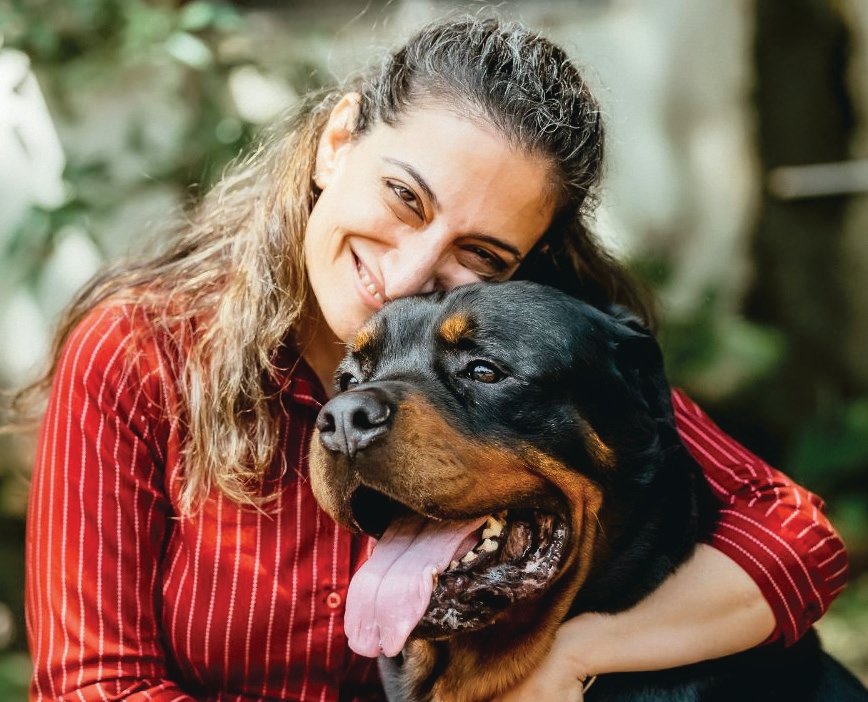
— By Ashwini Deshpande

The future of animal healthcare in India will be shaped by prevention, innovation and collaboration across the ecosystem. Empowering veterinarians, educating pet parents, and expanding access to advanced solutions can help create healthier lives for pets nationwide.
Leading Innovation Through Purpose and Execution
Zoetis has a strong focus on driving innovation by launching first-in-class products in India. This requires market shaping, i.e., building awareness and understanding of the disease state and unmet need before introducing a new therapy. My experience in specialty human health equipped me with strategic learnings on how to drive a deeper understanding of novel mechanisms and products. In animal health, this is valuable because the general practice veterinarian often plays multiple roles at once: clinician, diagnostician, surgeon, dentist, and pharmacist, so education must be practical, clear, and clinically relevant.
In addition, launching cutting-edge therapies requires a high-performing, deeply motivated organization. My experience in leading teams by aligning purpose with execution and empowering teams to make decisions has been central to building a culture that is uniquely passionate about the care and well-being of animals.
My team’s key priorities have centred on bringing innovative solutions to India to advance pet care. Whether it is our diagnostic products, our range of monoclonal antibodies, or preventive parasite medications, our focus has been on bringing cutting-edge science to India and expanding treatment options for veterinarians and pet parents.
Women Are Driving the Next Chapter of Animal Health
Women will shape the future of veterinary healthcare and companion animal welfare in India in two areas: as veterinary professionals and as pet parents. We are seeing a growing influx of women veterinarians, and many of whom will help raise standards of care through strong communication, empathy, and client education. These are qualities that today’s Millennial and Gen Z pet parents value, supporting a shift toward proactive, preventive healthcare. As pet parents, women are central to households and are often the primary decision-makers for the health of their pets. They are frequently the first to notice small changes in behaviour, seek credible information, schedule veterinary appointments, and ensure medications and follow-up care are done correctly. Together, these roles make women a driving force in building a stronger animal welfare ecosystem in India.
When it comes to the pharmaceutical industry, I often get asked for advice by women aspiring to have leadership roles. My three pieces of advice are-
- Anchor your leadership in a purpose so that you always have the resilience to deal with challenges.
- Take career risks and accept difficult roles; the learnings from doing so are invaluable.
- Bring other women along as you grow. Mentoring is an important part of your growth and the development of others.
Preventive Care Starts with a Partnership
Preventive healthcare works best when pet parents and veterinarians work as an ongoing team, building a shared plan that is reviewed regularly rather than only when a pet is unwell. That means pet parents need to share what they notice at home, like small changes in appetite, energy, weight, or mobility. In turn, vets need to perform regular wellness checkups and age-appropriate screening to set a baseline and track it over time. A practical first step is to treat wellness visits as routine, not reactive, and use simple supports like health and vaccine reminders to stay consistent with year-round prevention, giving pets the best shot at a longer, healthier life.
Navigating India’s Changing Pet Health Landscape
There are many challenges facing companion animals in India.
- India’s hot, humid climate and monsoon seasons create a perfect breeding ground for ticks, fleas, and mosquitoes. Consequently, tick-borne diseases, which can present with severe anemia, fever, and lethargy, are quite common. Historically, tick treatments were reactive, but it’s essential that there is awareness of the importance of year-round, preventive protection.
- Dermatology and skin conditions, such as atopic dermatitis, caused by environmental or food allergies, are very common in India. Skin conditions are visible and distressing to pets and pet parents and require specific workup, diagnosis, and ongoing treatment. It is important that pet parents don’t assume that constant itching is normal.
- Infectious viral diseases are another concern because vaccination compliance remains inconsistent, and the large population of stray dogs and cats can serve as a reservoir for viruses. We need to build awareness that vaccinations are not just for puppies and kittens; they are a lifelong need. Prevention also has a strong cost-benefit compared with emergencies and critical care.
- As more pets live indoors and live longer, chronic conditions such as obesity, osteoarthritis, and chronic kidney disease are rising in India. Pet parents need education on how to recognize subtle early signs and symptoms and should discuss the details with their veterinarians so treatment can begin sooner for chronic conditions, rather than after the condition has progressed.
Zoetis – At the Forefront of Innovation
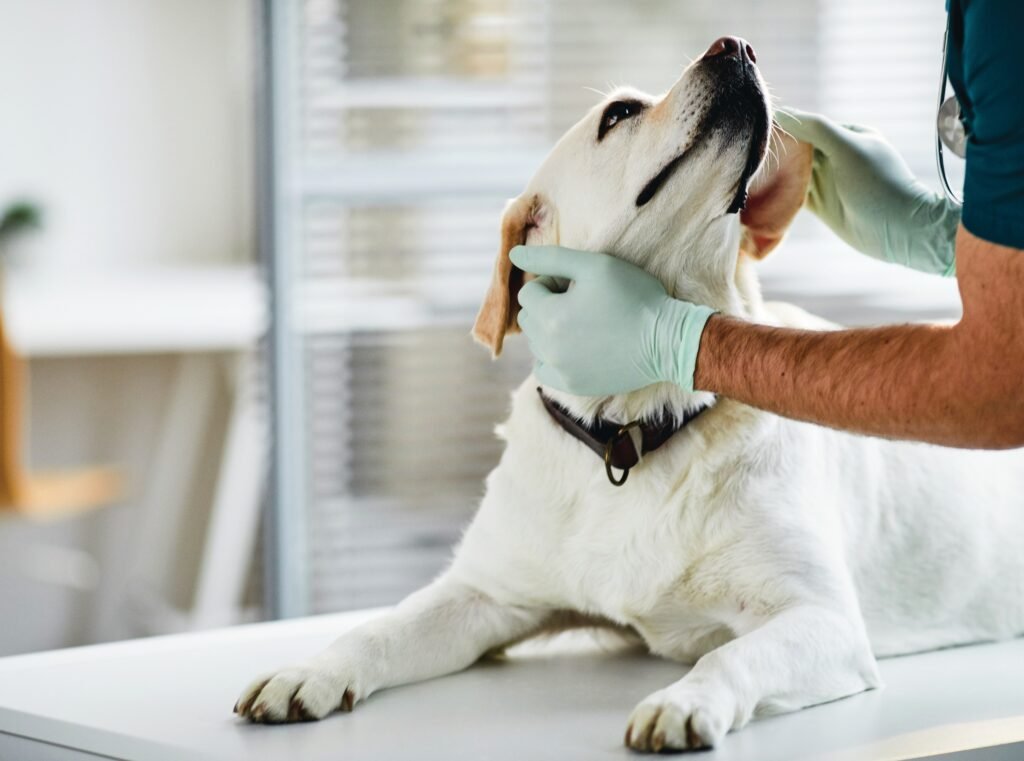
Veterinary care in India will be transformed by innovations that make high-quality medicine faster, more precise, and easier to deliver in everyday clinics. Two areas stand out. First, next-generation diagnostics: point-of-care analysers, supported by AI tools, digital imaging, and specialist input, deliver actionable answers in minutes, helping vets make earlier, more confident decisions. Vetscan VS2 from Zoetis, for example, delivers reference-lab quality chemistry results in about 12 minutes. Second, precision therapies such as monoclonal antibodies are a newer class of medicine offering targeted, longer-acting relief for chronic conditions. Zoetis has launched two such therapies in India. Looking ahead, we see prediction and prevention connecting with diagnostics and data-driven monitoring, so veterinarians can intervene earlier, treat more precisely, and raise the standard of care for more pets.
Bridging India’s Veterinary Workforce Gap
While India has a growing network of veterinarians, we still do not have enough to support the booming pet population. Our challenge is the small number of veterinary colleges, which in turn constrains how many newly qualified veterinarians enter practice each year. This needs to be addressed by expanding the infrastructure through initiatives from state governments and private educational institutions. Another gap is that the curriculum is heavily skewed toward livestock and agriculture. Here, industry can help by partnering with colleges to develop content and training in areas such as small animal internal medicine, dermatology, surgery, etc.
Making Preventive Care a Collective Priority
Building a stronger animal healthcare ecosystem in India means uniting every stakeholder around one framework: predicting, preventing, detecting, and treating illness, not just responding to it. Veterinarians can lead the way by setting consistent preventive care standards that pet owners can follow. Animal health companies can support this through education, vet training, and diagnostic tools for earlier detection, especially given uneven access to specialized care across India’s cities and smaller towns. Breeders can partner with vets on responsible breeding and early-life health protocols. Shelters and NGOs can scale vaccinations, parasite control, and basic diagnostics at intake. Pet parents and media can normalize annual wellness checks and shift the conversation from treatment to prevention. When every stakeholder plays their part, healthier outcomes become the norm for pets nationwide.
From Prevention to a Stronger One Health Future
My vision is a future where the standard of care shifts from treating acute crises (like parvo or tick fever) to proactive, personalized, and preventative care that is supported by empowered veterinarians and educated pet parents.
What inspires my work every day is knowing that when we transform animal health with innovation, we are actively building a healthier and more resilient One Health ecosystem: healthy animals, healthy people, healthy planet.
(Ashwini Deshpande – Managing Director India and Regional Director India, Indonesia and South Asia, ZOETIS)