The food choices you make in the first few months’ shape how your pet grows, how their immune system matures, and even their lifetime risk of certain gut and metabolic problems.
— Dr. Tarun Kumar, Dr. Prajwal Singh Kotwal, Dr. Ankit Kumar, and Dr. Reman Mor
Bringing home a puppy is one of life’s best joys — and one of the most important responsibilities. This article translates recent research and global guidelines into practical advice so your little companion grows into a happy, healthy adult.
Why Do First Foods Matter More Than You Think?
Early life is a window of rapid physical and neurological development. Proper calories, high-quality protein, the right balance of calcium and phosphorus, and essential fatty acids (especially DHA) are critical for healthy bones, muscles, brain, and vision development. Global veterinary bodies now emphasise tailored, age-appropriate nutrition rather than one-size-fits-all feeding. New research also suggests that the type of diet eaten during puppyhood and adolescence can influence long-term gut health: one large epidemiological study found that less-processed, meat-based early diets were associated with lower rates of chronic enteropathy later in life compared with ultra-processed kibble-only diets. That does not mean every homemade or raw diet is automatically better; it means early diet choices matter and should be made carefully.
Essentials for a Growing Pet
Think in five blocks – energy, protein, fats (including DHA), minerals (calcium & phosphorus), and micronutrients/antioxidants.
- Energy (calories): Puppies have high energy needs per kg of body weight. Growth rate varies by breed; large-breed puppies require carefully controlled calorie and calcium intake to avoid too-rapid growth and joint problems.
- Protein: High-quality, digestible protein supports muscle growth and organ development. Animal proteins (chicken, fish, lamb) are excellent building blocks.
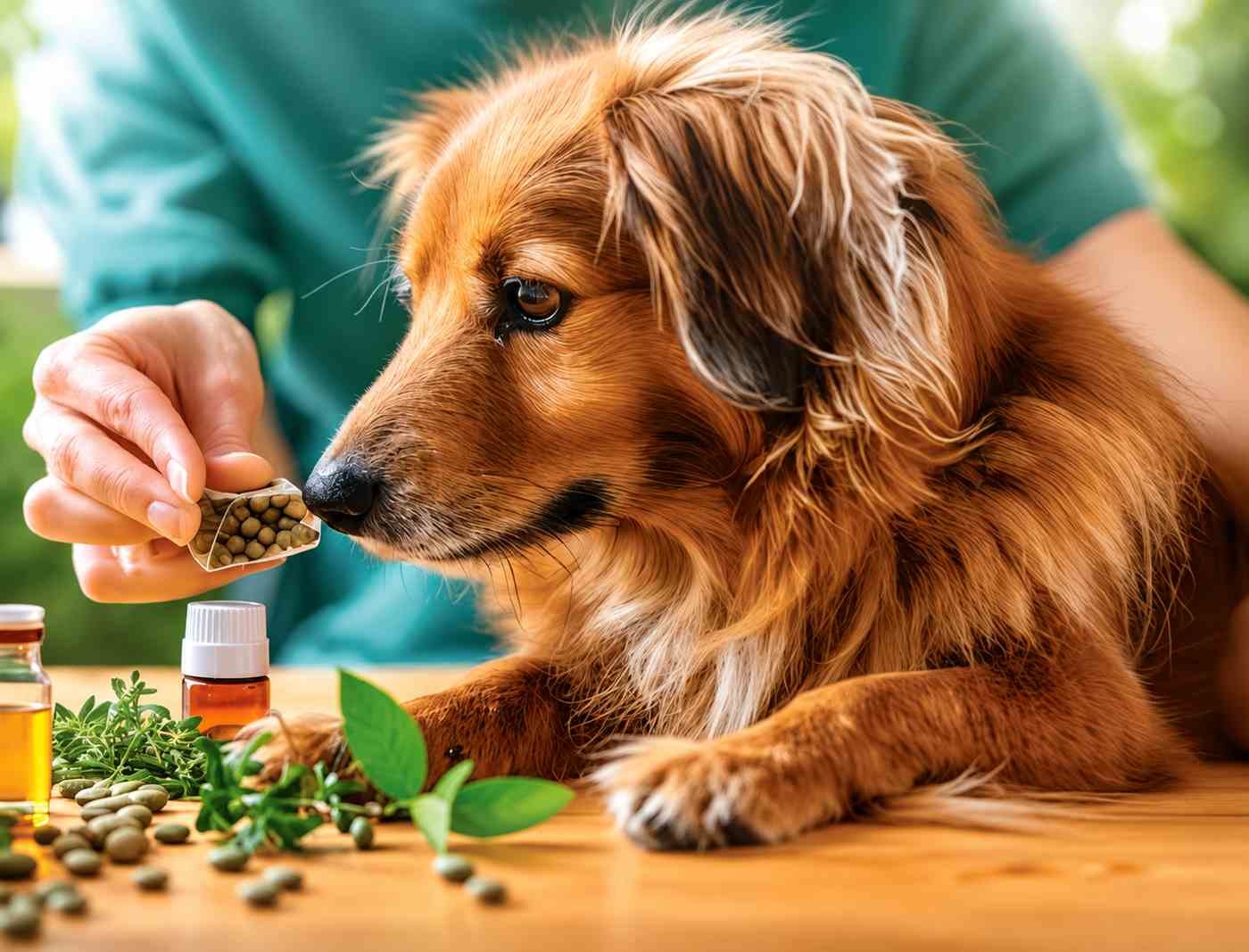
- Fats & DHA (omega-3): Long-chain omega-3s (DHA/EPA) support brain and retinal development and have anti-inflammatory benefits. Many puppy formulas are supplemented with DHA; fish oil or formulated supplements can help when advised by a vet.
- Calcium & phosphorus: Both deficiency and excess can cause skeletal problems. The required amounts, and the safe calcium: phosphorus ratio vary by species and by the expected adult size (small vs large breed). Commercial growth diets are formulated to meet these targets; homemade feeds must be carefully balanced.
- Prebiotics, antioxidants & vitamins: Ingredients that support gut microbes and immunity (prebiotic fibres, vitamin E, vitamins A and D in proper amounts) improve resilience in early life.
Two Sides of Every Formula
Balanced commercial growth diets (kibble/wet)
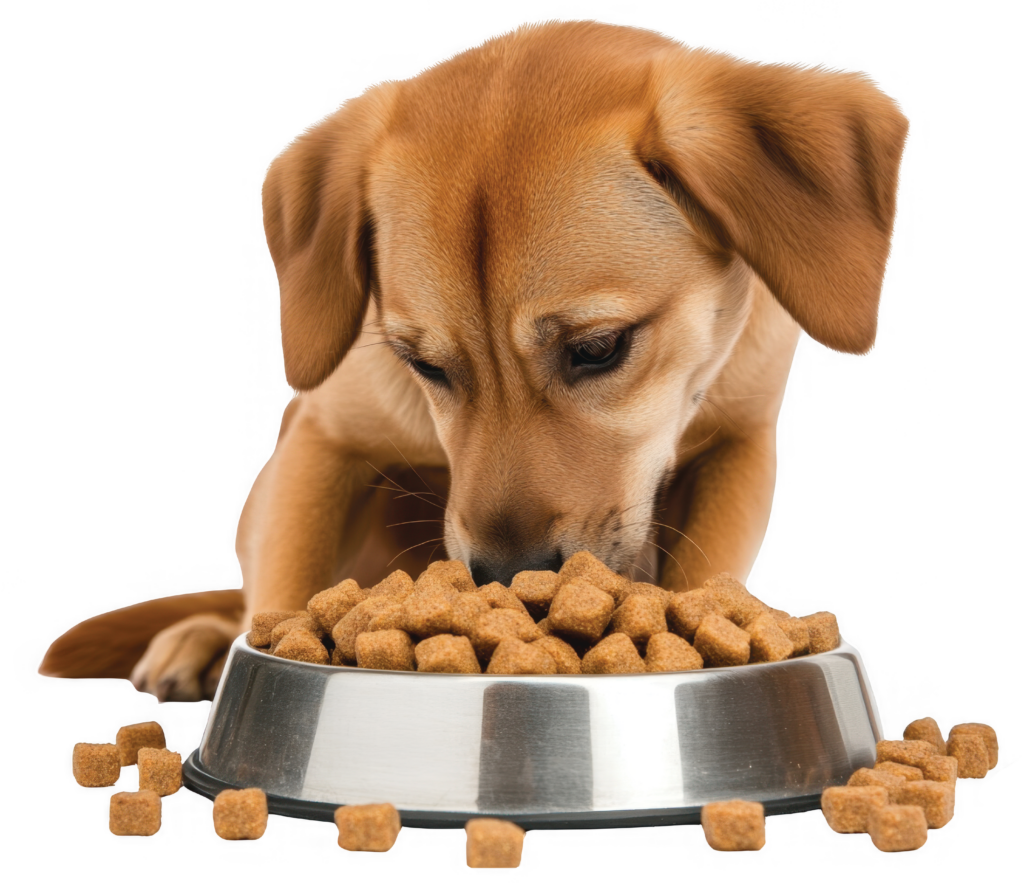
- Pros: Formulated to meet nutrient profiles, convenient, widely available across Indian cities (many local & international brands). Excellent choice for most pet parents
- Cons: Quality varies — choose reputable brands that state they meet nutrient standards or consult your vet. Over-reliance on low-quality kibble may be one factor linked to later gut issues seen in some studies.
Home-cooked diets / “fresh” diets
- Pros: High palatability, control over ingredients, can use local, affordable ingredients (chicken, eggs, rice, seasonal veggies).
- Cons: Risk of nutrient imbalance (especially calcium and trace minerals) unless a nutritionist formulates recipes. A common trap is feeding plain rice and boiled chicken without micronutrient supplementation — this can lead to deficiencies. Always work with a vet or veterinary nutritionist.
Raw / minimally processed meat-based diets
- Pros: Some studies suggest associations between minimally processed early diets and a lower risk of certain chronic gut diseases in dogs, but evidence is still evolving, and causation is not shown.
- Cons: Risk of bacterial contamination (Salmonella, E. coli), parasitic exposure, and nutrient imbalance. In India, where access to safe, consistently quality-controlled raw ingredients may vary, extra caution is needed. If considering raw feeding, consult your veterinarian on safe handling and testing.
Table scraps and local foods
- Small amounts of cooked, plain human food (boiled vegetables, cooked lean meat) can be used as treats or to encourage appetite, but avoid spicy, fried, or salted items and toxic foods (onions, garlic, chocolate, grapes, xylitol). Repeated feeding of leftovers — especially oily, spicy, or bone shards — can cause GI upset or pancreatitis.
Choosing a Diet in India –Practical Checklist
Pick a growth-stage formula for “puppy” that lists a reputable nutrient standard (manufacturer formulation statement). Prefer brands that show protein and fat levels, and list named animal protein sources (e.g., “chicken”, not just “meat meal”). For large-breed puppies, choose a large-breed puppy formula to manage calcium and calories. If budget is a concern, compare labels rather than price: some local mid-range brands offer balanced growth formulations. India’s market is expanding rapidly, and more premium/natural options are now available in cities — but there are still good value options. Avoid homemade diets unless formulated by a qualified nutritionist — and never give cow’s milk as a primary food (many pets have lactose sensitivity).
A Simple Sample Feeding Plan
These are examples of a healthy, medium-breed puppy. Follow package feeding guides and adjust according to body condition (feel ribs but not see them).
- 6–12 weeks: 3–4 small meals/day of a high-energy growth diet (puppy formula).
- 3–6 months: 3 meals/day, monitor weight gain — growth is rapid.
- 6–12 months: 2–3 meals/day depending on breed and activity. Large breeds may stay on “puppy” formulation longer (up to 12–18 months).
Always measure portions with a cup or kitchen scale. Monitor body condition: you should be able to feel ribs with light pressure but not see them prominently.
Growth Monitoring and Common Pitfalls
- Weigh weekly as pups grow fast. Keep a simple chart.
- Watch the body condition score (BCS) rather than just weight; overweight pups can develop joint problems later.
- Avoid over-supplementing (extra calcium, vitamins) unless prescribed; excess calcium is a real risk for young, growing large-breed dogs.
- Deworming & vaccination: Parasites and infectious diseases can impair growth. Follow local vet schedules. Nutrition and preventive healthcare go hand-in-hand.
Special Considerations for Indian Pet Parents
- Access and affordability: Urban India increasingly offers good pet foods and vet services, but availability varies.
- City pet stores, online marketplaces, and veterinary clinics are the main supply routes. If you buy online, check the seller’s reputation and expiry dates.
- Local ingredients: Economical homefood bases like rice, chicken, eggs, and seasonal vegetables can be appropriate components when properly balanced. Avoid giving cooked bones (they splinter) and spicy food.
- Heat and hydration: In hot climates, energ y needs might shift; ensure constant access to clean water and consider wet food or adding water to dry food on very hot days.
- Food safety: Poor refrigerat ion , contaminated water, or raw meats can pose risks. Follow safe food handling and cooking where relevant.
Red Flags – When To Call The Vet
- Poor weight gain or sudden weight loss.
- Persistent diarrhoea, vomiting, or blood in stool.
- Lameness, swollen joints, or abnormal gait (could indicate skeletal development issues).
- Lethargy, poor appetite, or recurrent infections.
- If any of these appear, seek veterinary advice promptly — many growth problems are much easier to manage if caught early.
The Future is About Precision Nutrition
The Indian pet market is rapidly evolving — premium, natural, and tailored nutrition options are growing. Expect more “fresh” diet brands, breed-specific formulas, and veterinarian-led nutrition services in larger Indian cities over the next few years. Whatever the packaging, the goal stays the same: balanced, age-appropriate nutrition guided by science and monitored by your vet.
(Dr. Ankit Kumar – M. V. Sc (Veterinary Medicine); PhD (Veterinary Medicine), Scientist, Department of Veterinary Medicine, Lala Lajpat Rai University of Veterinary and Animal Sciences. Dr. Tarun Kumar – Department of Veterinary Clinical Complex, Lala Lajpat Rai University of Veterinary and Animal Sciences. Dr. Prajwal Singh Kotwal – Department of Veterinary Medicine, Lala Lajpat Rai University of Veterinary and Animal Sciences. Dr. Reman Mor – Department of Veterinary Medicine, Lala Lajpat Rai University of Veterinary and Animal Sciences, Hisar, Haryana)