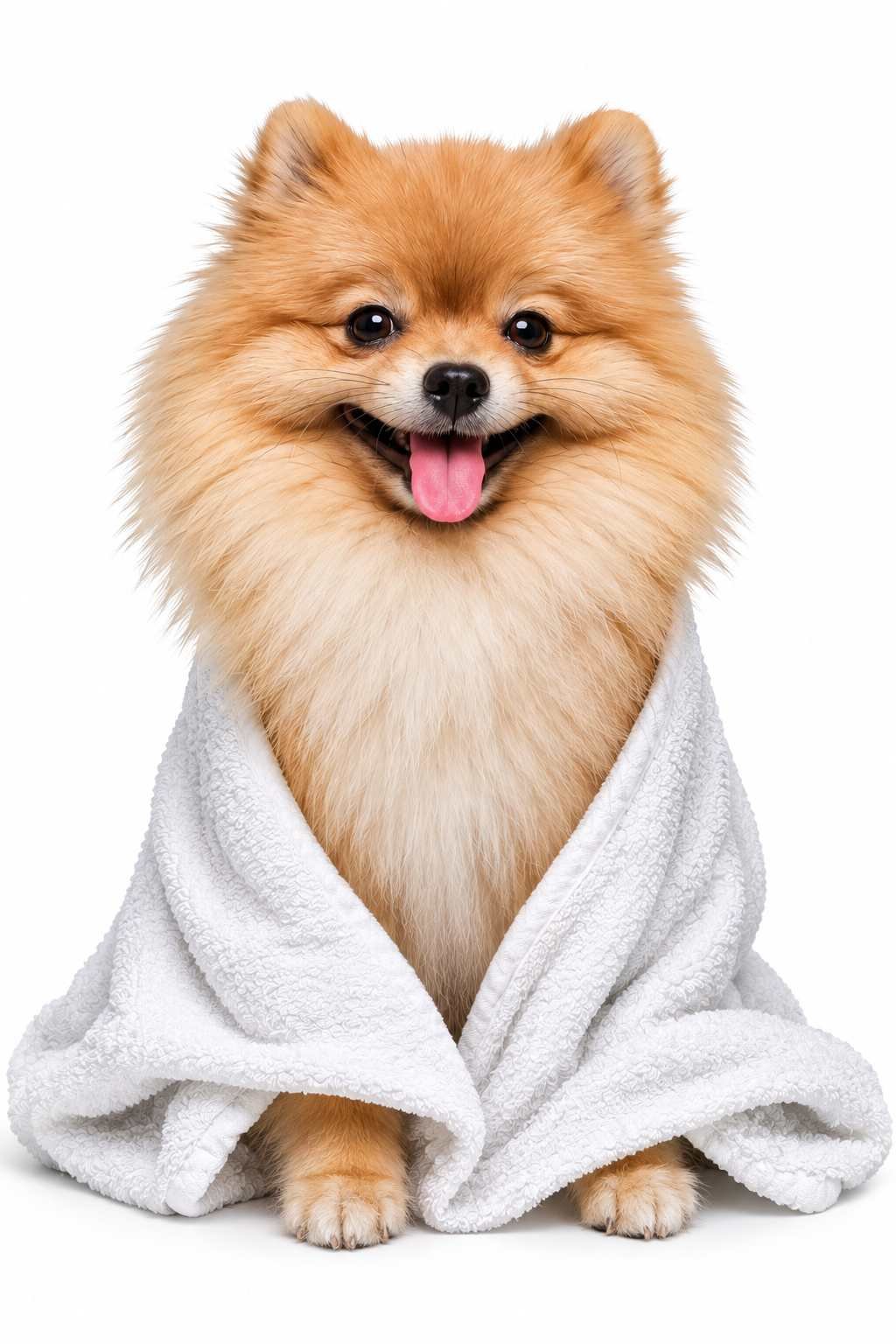
If you look at a photograph of a family pet from twenty years ago, you might see a scruffy, happy creature napping on a cool verandah and chasing scents in the backyard. Fast forward to today, and the life of the modern Indian pet has undergone a radical transformation.
— By Shweta Verma
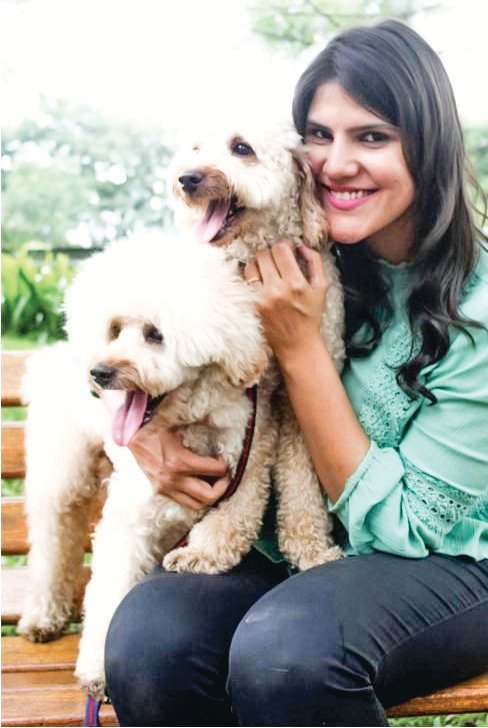
Today’s city pets are apartment dwellers. They navigate elevators, walk on asphalt, and travel in air-conditioned cars. While this closeness has strengthened our bond, this quiet “urbanisation of the pet” has brought subtle changes to their physical well-being—especially their skin, coat, and paws.
At Yes Says Doggie, we see hundreds of pets every month. Over time, I’ve realized that in an urban setting, grooming is no longer just about vanity. It is a fundamental health requirement to help our dogs adapt to a world that wasn’t originally designed for them.
The Invisible Grit – Pollution, Paws, and the Coat
We often talk about how city pollution affects human lungs, but we rarely discuss what it does to your beloved pet’s skin. City air carries a heavy load: dust, exhaust fumes, and particulate matter (PM 2.5).
Our pets just live 12 inches off the ground, right where these heavy particles settle. Furthermore, they don’t wear shoes or clothes. When your pet walks down a busy city street, his paws are in constant contact with toxic asphalt, and their coat acts like a magnet—trapping airborne pollutants.
Over time, this accumulation mixes with natural oils (sebum) to create a layer of grime that blocks pores and irritates paw pads. We often see pets with coats that feel “rough” or paws that are cracked and dry. This leads to non-specific itchiness where he scratches or licks his paws despite having no fleas. It is simply the city sticking to him.
The Climate Paradox – Breed Reality vs. Humidity
Another major factor is the drastic temperature fluctuation. A typical city doggo might sleep in a 20°C air-conditioned room, then step out for a morning walk into 30°C heat and high humidity.
This struggle is amplified by our changing breed choices. We increasingly see Huskies, Samoyeds, and Chow Chows in Indian cities – breeds naturally designed for sub-zero temperatures. Many pet parents assume that keeping their pets in AC 24×7 is the solution, forgetting that they still need to step out into the tropical heat for exercise.
This constant “thermal shock” is confusing for the pet’s body. The AC acts as a dehumidifier, pulling moisture out of the skin, while the outdoor humidity traps heat. This disrupts the natural oil balance, leading to dry, flaky skin (dander) and impacted undercoats.
Many pet parents respond by bathing their furry friend more often to “freshen them up.” This is often a mistake. Frequent washing with harsh shampoos strips the remaining natural oils. The urban solution isn’t more baths; it is better hydration, climate-appropriate grooming, and understanding that AC alone cannot fix a coat unsuited for the tropics.
Concrete Jungles and Coat Wear
In a natural setting, a dog running through tall grass experiences “natural grooming.” The friction of vegetation helps remove dead hair. In the city, walks are structured and usually on concrete.
While concrete keeps the nails short, it offers no help for the coat. Urban pets often suffer from impacted undercoats because the dead hair has nowhere to go. Without the “brushing” of outdoor play, this hair sits against the skin, trapping heat and moisture, which breeds fungal issues.
This makes manual brushing non-negotiable. For the city doggo, brushing stimulates blood circulation and distributes the natural oils that protect the skin.
The Stress Connection – Grooming as Mental Health
Perhaps the most overlooked aspect of urban living is stress. Cities are loud and overstimulating. Even well-adjusted pets absorb the low-level stress of traffic noise, confined spaces, and their parents’ fast-paced energy.
Stress triggers cortisol production, which can manifest physically: excessive shedding, dandruff, and a change in coat texture. The skin is deeply connected to the nervous system.
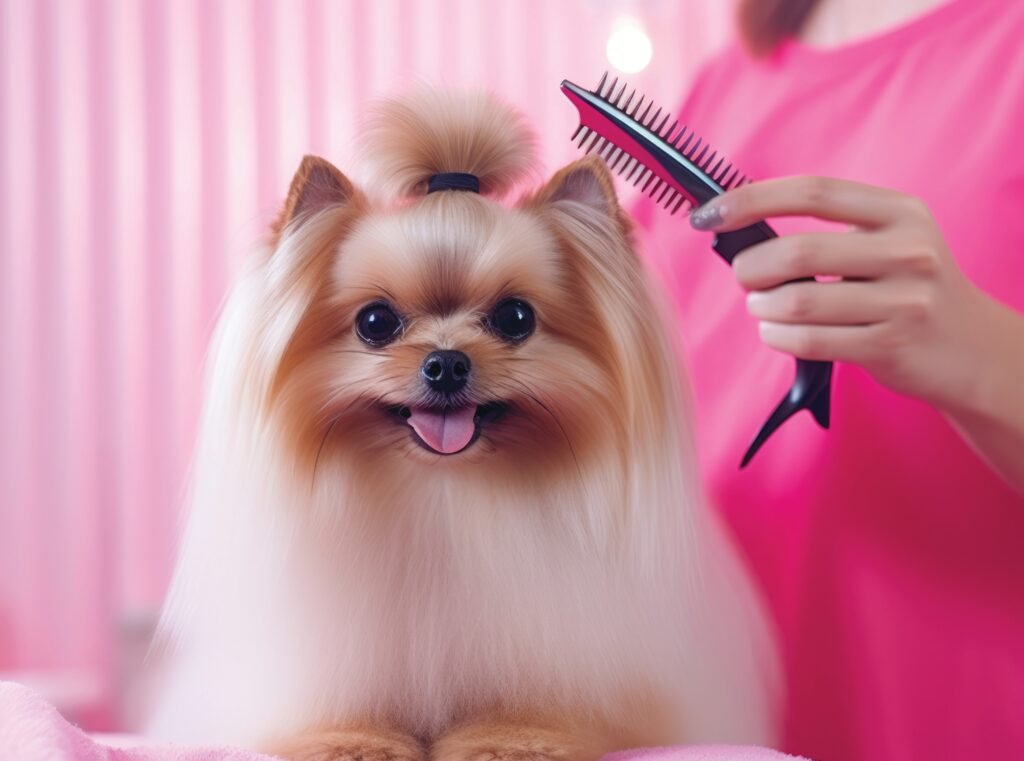
This is why at Yes Says Doggie, we advocate for a grooming routine that prioritizes calm. A lot of times, the salon visits and even home brushing become chaotic, and it adds to the stress load. Grooming must be unhurried. When we approach it with patience, we aren’t just untangling fur; we are lowering your furry friend’s heart rate and telling them they are safe.
A New Grooming Philosophy
So, how do we adjust?
- Wipe Down, Don’t Wash: After walks, use a damp cloth or pet-safe wipes to clean paws and remove surface pollution from the topcoat, rather than doing a full bath.
- Invest in Brushing: View brushing as a health ritual, not a chore. 10 minutes of gentle daily brushing does more for your pet’s skin than a monthly spa day.
- The “Deep Reset”: While home care is vital, the urban environment is stubborn. Schedule a professional grooming session once every 4 to 6 weeks. This cadence is essential to fully remove deep-seated pollutants and impacted undercoats that home tools cannot reach.
- Observation is Key: Watch for subtle changes. Is the coat drier than usual? Is the shedding sudden? These are clues about their environment.
In the city, a healthy coat is about balance—balancing indoor comfort with outdoor exposure, and hygiene with natural immunity. When we treat grooming as mindful healthcare, we ensure our pets don’t just survive the concrete jungle, but truly thrive in it.
(Shweta Verma – Founder, Yes Says Doggie, Navi Mumbai)