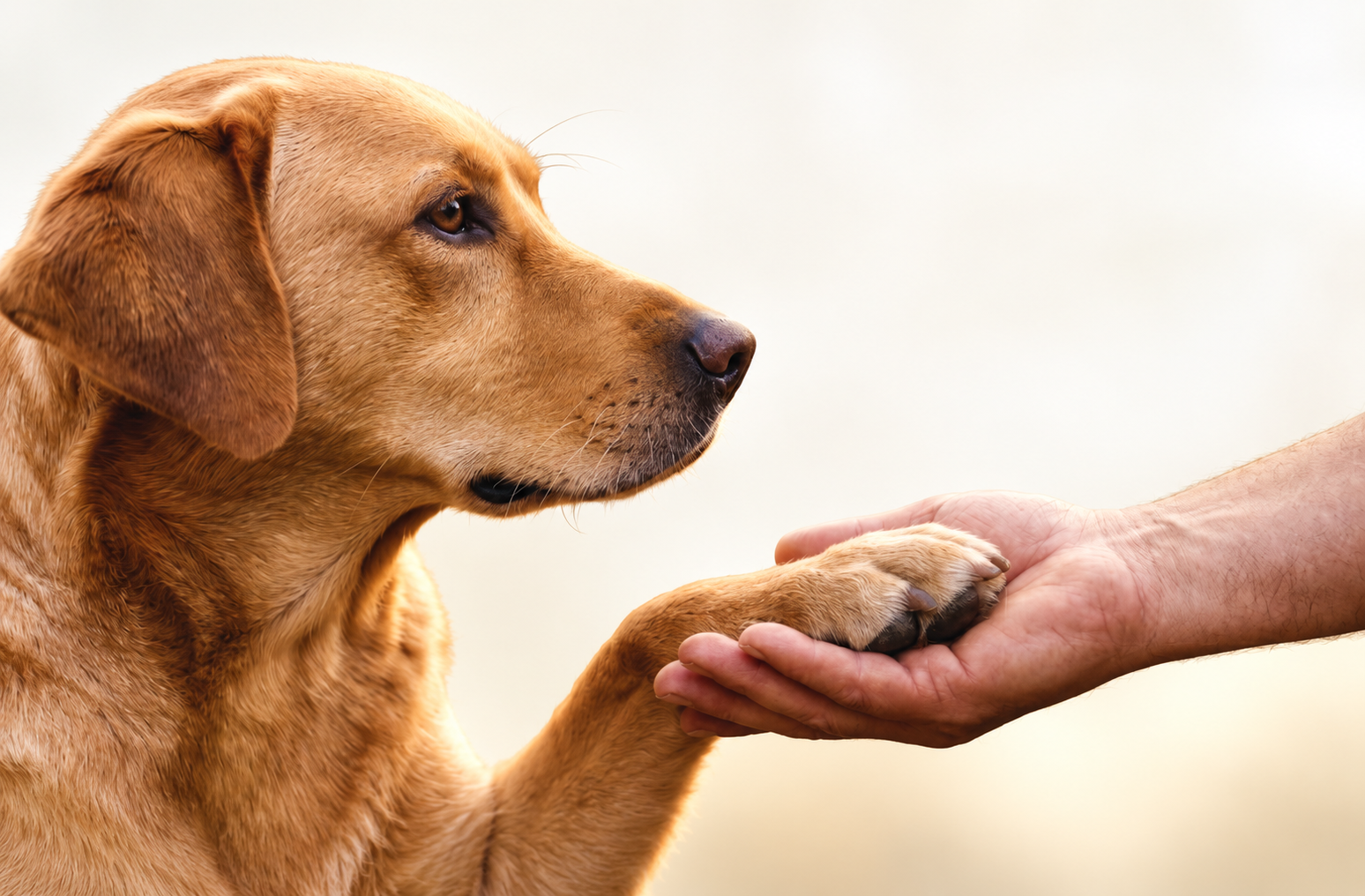
If there is physiotherapy for humans, it makes sense that something similar exists for our pets, too. It’s called physical therapy. Know more about this therapy and how it can help your pet.
— By Divya Rajan
The same foundational principles of movement apply to dogs as they do to humans. Muscles support joints, absorb impact, and stabilise the body during everyday activity. When certain muscles are strong and others are underused, the body compensates. Over time, these imbalances place increasing stress on joints, tendons, and connective tissue. Dogs are no different.
My furry friend goes for his daily walk, and he plays a lot. Isn’t that enough exercise?
Not really. Walking and play are beneficial, but they rarely provide balanced strength. The issue isn’t movement itself — it’s the lack of structure and variety in how most dogs move day to day.
A clearer comparison to human life helps. Walking combined with structured sports such as tennis, squash, or badminton can be sufficient for many people because these activities engage different muscle groups, challenge coordination, and place varied demands on the body. The movement is dynamic and multi-directional.
Most pets, however, don’t get that kind of variety. Daily walks often follow the same routes, at similar speeds, with familiar patterns of movement. Play, while valuable, is usually brief, spontaneous, and inconsistent. Over time, this means certain muscle groups are used repeatedly while others remain underdeveloped, causing muscle quality to gradually decline, and joints are forced to absorb loads that they were never designed to handle.
Strong Bodies, Happy Hearts – Why Fitness Matters
Because prevention is always easier and kinder than repair.
Strong muscles act as shock absorbers. They stabilise joints, protect tendons and ligaments, and help distribute force efficiently during movement. Pets with good baseline fitness fatigue less easily, move more confidently, and place less stress on vulnerable structures.
In urban environments, where space is limited and movement patterns are predictable, intentional conditioning becomes even more important. Fitness is what builds resilience, not just activity.
The Secret to a Longer, Healthier Tail Wag
The fundamentals of dog and human fitness are the same – good nutrition, focused exercise, and consistency.
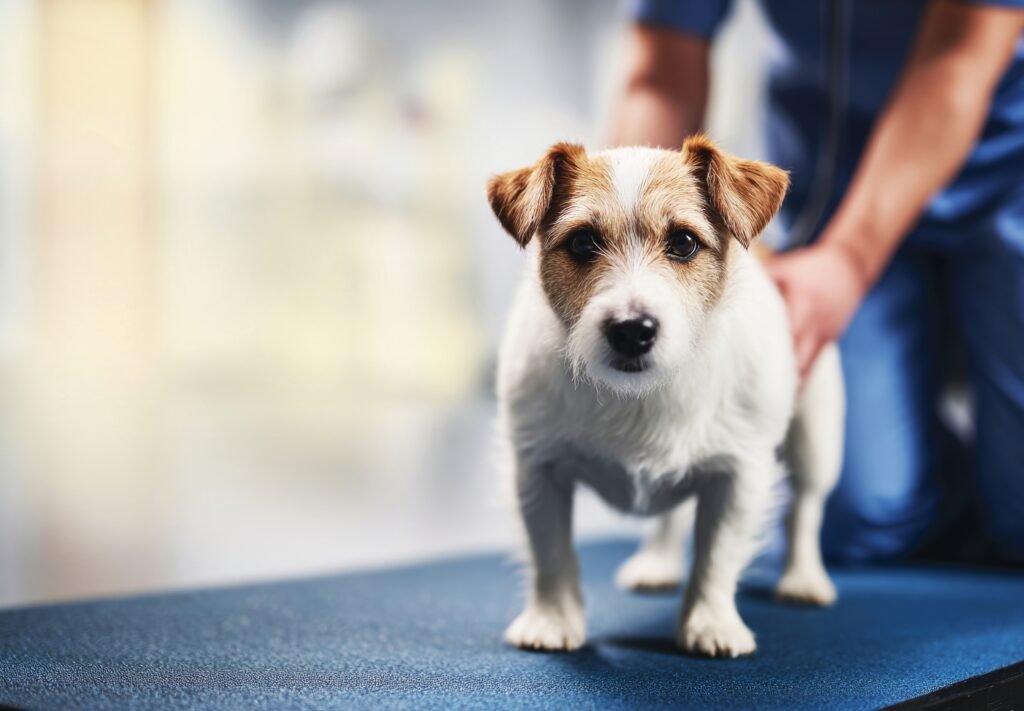
Random activity does not create strength. Health is built through repeated, purposeful effort. Dogs, like humans, benefit most from structured movement that improves muscle strength, coordination, and control.
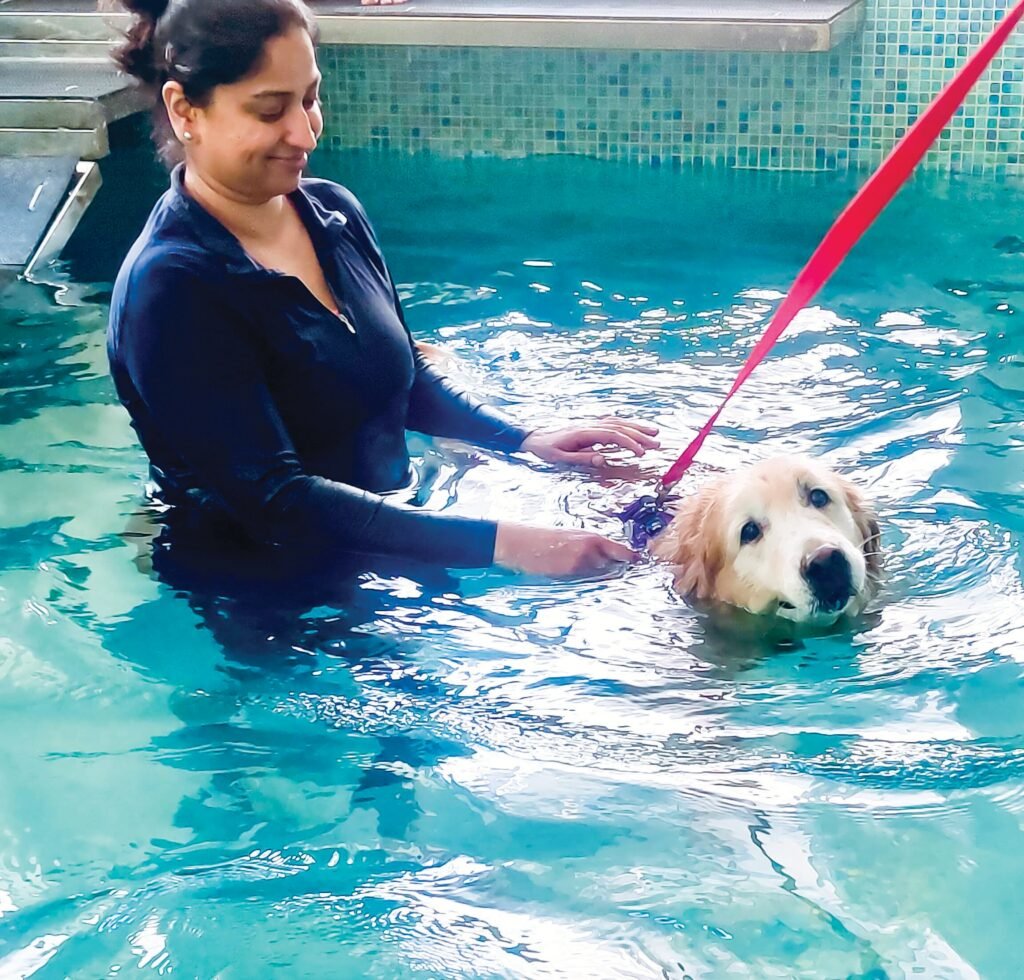
Swimming and underwater treadmill therapy are good dynamic examples. They build muscle and cardiovascular capacity while being extremely gentle on joints. This is especially valuable for breeds prone to joint issues, as water-based exercise maintains strength without affecting the joints.
Happy, Healthy, and Healing
Why does recovery look different for different dogs? Recovery depends on which tissue is affected.
- Muscle injuries generally heal faster when supported with controlled movement and proper nutrition.
- Tendon and ligament injuries heal more slowly and require patience, progressive loading, and strong surrounding muscles.
- Joint-related conditions are often long-term and respond best when muscle strength improves around the joint.
- Fractures require longer recovery and benefit significantly from maintaining muscle health during periods of rest.
Muscle Health Deserves More Attention
Because muscle health influences everything.
Muscle supports movement, protects joints, and determines how well a dog handles daily activity, ageing, and recovery. Muscle loss can occur quietly — with age, reduced activity, or enforced rest after injury. When the muscles weaken, joints are forced to compensate, accelerating wear and discomfort.
Mobility issues often develop silently. While pet parents understandably worry about conditions like cancer, mobility tends to miss the spotlight until it becomes impossible to ignore.
Muscle Vs Joint Vs Collagen Supplements
- A muscle-support supplement works much like a protein supplement for humans. It supports muscle quality and strength, but needs to be paired with appropriate movement to be effective.
- A muscle-plus-joint supplement is useful when a dog needs muscle support and is also showing early joint vulnerability. Stronger muscles reduce joint stress and improve stability.
- A collagen supplement supports the body more passively. Collagen is a foundational building block found in muscles, tendons, ligaments, bones, joints, and skin. When supplemented, the body uses it wherever repair is needed, without requiring physical effort from your pet.
It is best to get in touch with your vet to know which supplement will be best suited for your furry friend.
Fitness is not an add-on; it is a responsibility.
When nutritious food, structured movement, and thoughtful supplementation come together, pets move better, age better, and recover with confidence. Prevention is not just smarter — it is kinder.
FAQs
1. How did you get into this line of work?
I trained in veterinary medicine but chose to specialise in movement-based care because I wanted to work in a preventive, strength-focused space. I also have a background in competitive sports, biomechanics, conditioning, and recovery, which made this profession a natural extension of both veterinary science and sports science.
2. Do I need to wait for my pet to have a problem before reaching out?
No, your pet does not need to have an obvious issue for you to reach out. Prevention is always better than cure.
Muscles, bones, and joints are used every single day, from puppyhood through old age, and they need to be supported and monitored throughout a dog’s life—not only after something goes wrong.
Mobility problems often develop quietly in the background while attention is focused elsewhere. By the time limping, stiffness, or reluctance to move becomes noticeable, underlying weakness has usually been present for some time.
That said, you can absolutely reach out after a problem has developed. Rehabilitation can still make a meaningful difference. However, acting early—by building strength, resilience, and balanced movement—is far more effective than reacting late.
(Divya Rajan – Rehabilitation and Fitness for Pets, Chennai, Tamil Nadu)