The monsoon season brings cooler weather and fresh greenery, but it can also lead to increased hair shedding in dogs and cats. Shedding is a natural process that helps pets regulate body temperature and maintain a healthy coat. However, higher humidity and seasonal changes during the rainy season can make hair loss more noticeable, leaving pet owners dealing with fur around the house.
Understanding why pets shed more during the monsoon can help pet parents manage the problem effectively. With proper grooming, nutrition, and coat care, you can reduce excessive shedding and keep your furry companion comfortable and healthy throughout the season. In this article, we explore the causes of monsoon-related shedding and share simple tips to help manage it.
Your Furry Friend’s Hair Growth Cycle
Before we delve into the specifics of hair shedding, it’s important to understand the natural hair growth cycle in animals. The hair growth cycle consists of three phases –
Anagen (Growth Phase)
Hair actively grows from the hair follicles during this phase, which can last for several months to years, depending on the species.
Catagen (Transition Phase)
In this short phase, hair growth slows down, and the hair follicles start to prepare for the next phase.
Telogen (Resting Phase)
Hair is in a resting phase where it is no longer growing and eventually sheds to make way for new hair growth.
Common Causes of Hair Shedding
There is no single factor that causes hair shedding in pets. Some hair shedding is normal, but excessive or abnormal shedding may indicate an underlying health condition. Some of the most common causes of hair shedding include –
- Seasonal Shedding: Dogs naturally shed their coats during seasonal changes, especially when transitioning between winter and summer coats.
- Hormonal Changes: Pregnancy, lactation, puberty, or hormonal imbalances can trigger increased hair loss.
- Nutritional Deficiencies: A diet lacking essential proteins, fatty acids, vitamins, and minerals can affect coat health and lead to excessive shedding.
- Stress and Anxiety: Changes in routine, new environments, or emotional stress can cause dogs to shed more than usual.
- Medical Conditions: Allergies, skin infections, parasites (fleas, ticks, mites), and hormonal disorders can result in abnormal hair shedding.
Why Does Hair Shedding Increase During Monsoon?
Many pet parents complain that their pet’s hair shedding increases during the monsoon season. While this phenomenon may seem concerning, it is actually a natural response to environmental changes.
- Temperature Regulation: Dogs shed excess hair to stay cool and regulate body temperature in warm, humid weather.
- Moisture and Humidity: Increased humidity can affect skin and coat health, sometimes leading to irritation, infections, and increased shedding.
- Rain and Environmental Allergens: Rainwater can bring allergens and contaminants into the coat, causing itching and hair loss. Wet fur is also more likely to tangle and mat.
Breeds More Prone to Monsoon Shedding
- Double-Coated Breeds: Breeds such as the Siberian Husky, Alaskan Malamute, and Golden Retriever tend to shed more as they lose their dense undercoat during seasonal changes.
- Long-Haired Breeds: Breeds like the Afghan Hound and Collie may experience increased shedding because their coats are more prone to tangling and matting in wet weather.
Tips to Manage Monsoon Hair Shedding
- Regular Grooming: Brush your pet frequently to remove loose hair and prevent mats and tangles.
- Bathing and Drying: Bathe your pet regularly and dry the coat thoroughly to reduce the risk of skin infections.
- Moisture Control: Limit exposure to rain and damp conditions. Use a raincoat or provide shelter when outdoors.
- Balanced Nutrition: Feed a healthy diet rich in essential fatty acids, vitamins, and minerals to support skin and coat health.
- Skin and Coat Care: Check the skin regularly for irritation, redness, or infections and seek veterinary advice if needed.
- Indoor Activities: Keep pets mentally and physically engaged indoors during heavy rains to reduce stress-related shedding.
When to Seek Veterinary Advice?
If you notice any of the following signs, it’s important to consult with your veterinarian –
- Sudden and severe hair loss
- Bald patches or red, inflamed skin
- Excessive scratching, itching, or biting of the skin
- Changes in appetite, energy levels, or behaviour
- Presence of parasites or signs of infection
As pet parents, it is important to understand that shedding is a natural process and a way for animals to adapt to changing environmental conditions. The increase in humidity, temperature, and rainfall during the monsoon can trigger shedding in our furry friends.
Treating PUO (Pyrexia of Unknown Origin) can be challenging because
the underlying cause is often difficult to identify. A thorough evaluation by a veterinarian, preferably one experienced in internal medicine or infectious diseases, is essential for developing an effective treatment plan.
Management varies depending on the animal’s condition, the severity of clinical signs, and any suspected or confirmed underlying disease. Therefore, individualized veterinary guidance is crucial to ensure the most appropriate care for each pet.
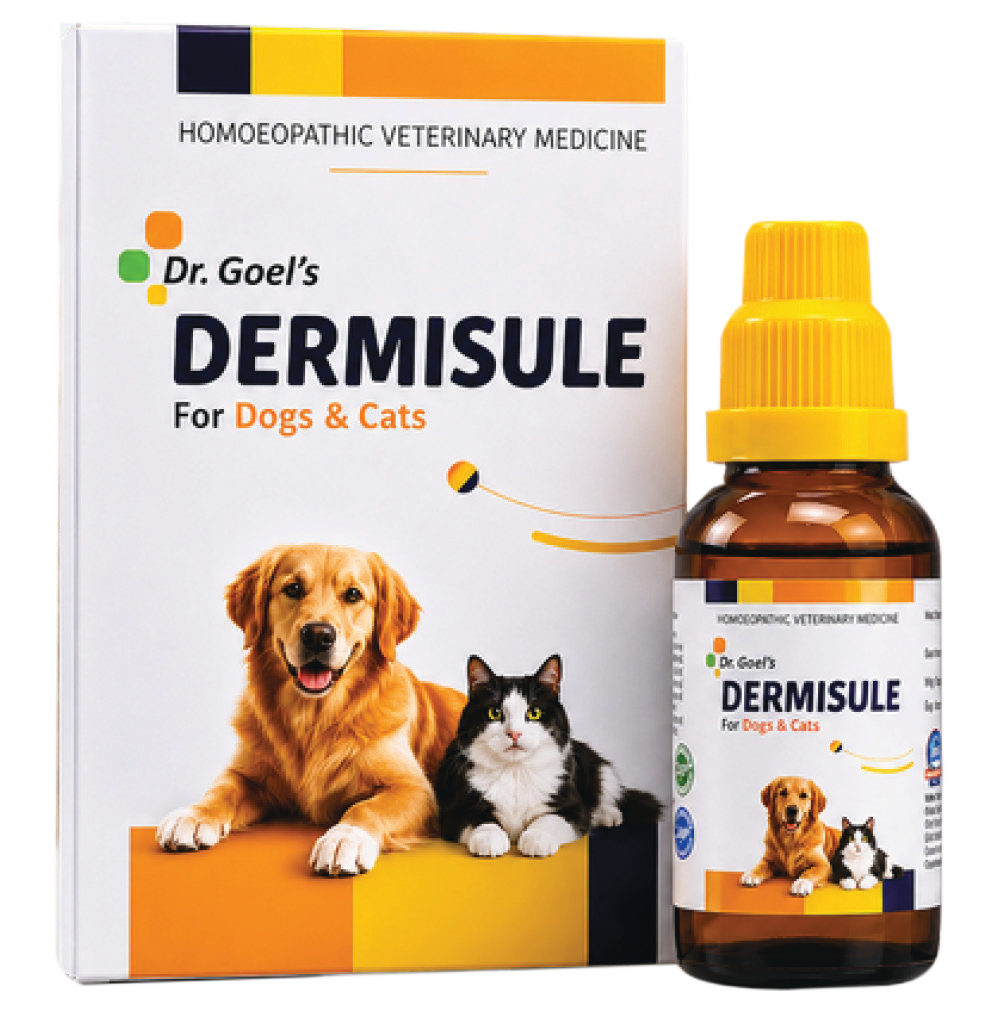
(Dr. Goel’s Homeopathy for pets)