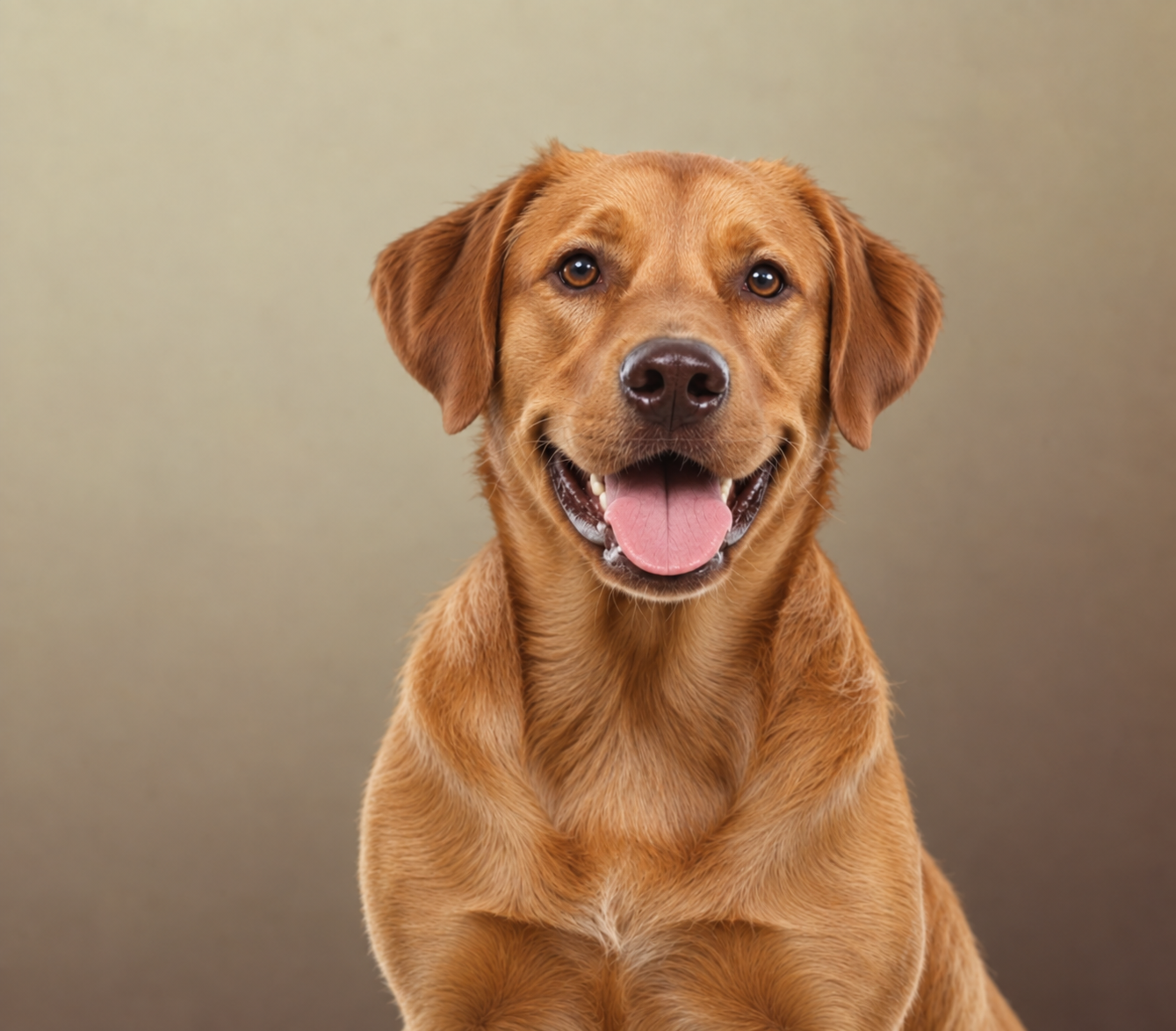
Bakharwal dog is an ancient and rare livestock guardian breed native to the Himalayan regions of northern India, particularly Jammu and Kashmir (including Ladakh and the Pir Panjal Range). It’s also known as the Kashmiri sheep dog, Bakharwal mastiff, Gujjar dog, and Kashmiri mastiff Dog. This breed has been developed over centuries by nomadic communities such as the Gujjars, Bakharwal (from whom the name derives, linked to “bakri” meaning goat), Gaddis, and others to protect flocks of sheep, goats, and cattle from predators like wolves, snow leopards, and bears in harsh mountainous terrain.
From the Mountains with Loyalty
The Bakharwal is one of the oldest dog breeds in India, with ancestors whose identities remain unknown; historically, they were used as loyal guards, but now, unfortunately, the breed is on the brink of extinction. This breed is not commonly found as a pet outside its native regions and is primarily a working dog. The breed is now considered critically endangered, with only a few hundred purebred individuals remaining due to urbanisation, militancy, and interbreeding.
The IUCN (the International Union for Conservation of Nature) identified them in the endangered category. Due to the low birth ratio and mating with other breeds, there are very few purebred black dogs available.
India’s Indigenous Protector
Muscular build, large and powerful with broad bones, a deep chest, and strong muscles. Males are bigger and heavier than females. It is an agile and sturdy breed, a typical mountain dog.
Strong on the Outside, Soft at Heart
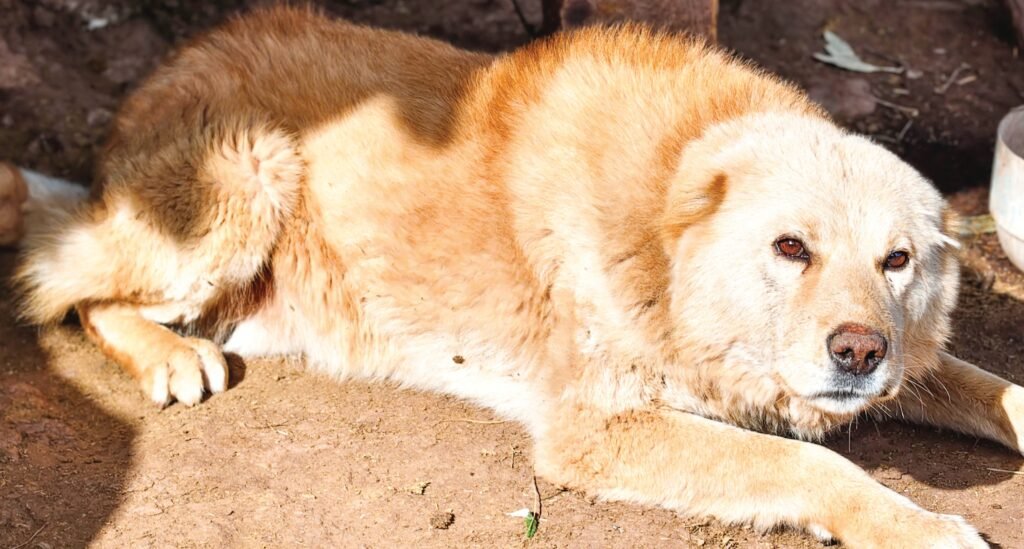
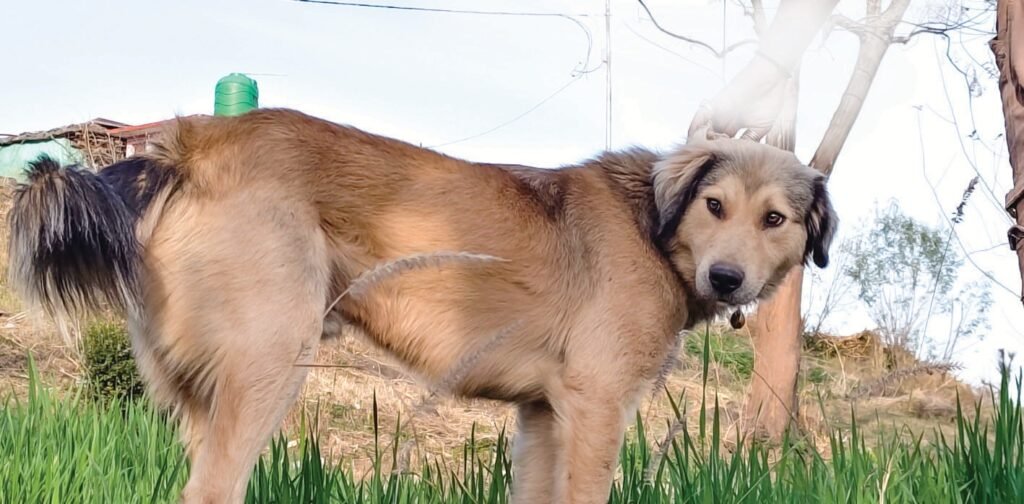
Common colours include black, White, Roan, tan, fawn, red, cream, brindle, sable, or pied. Their alert eyes and strong build make them excellent protectors. They have a thick, muscular neck that goes straight back. The shoulders are well-developed and broad. Bakharwal dogs have powerful, long legs.
A Himalayan Hero
- These dogs have a thick double coat that protects them from harsh weather. The coat of the Bakharwal dog is medium in length and flat in texture.
- The breed often features drop ears and a long, bushy tail.
- The Bakharwal dog has a broad head, a well-defined stop, and a strong muzzle, giving it an imposing yet noble expression.
- Their lifespan is around 6–13 years, depending on different conditions.
Nourished by Nature and Tradition
Unlike most canines, the Bakharwal dogs do not eat meat but instead prefer a vegetarian diet of maize/rice chaff, milk, and other dairy products. Some pet parents give them bones and heads of chicken.
Built for Protection, Known for Devotion
This is a true guardian breed, instinctively protective of its flock and territory. The Bakharwal is loyal, fearless, and independent, with a natural ability to assess threats. It is calm and gentle with its own people and animals, but suspicious or aggressive toward strangers and predators. It works without direction and thrives in environments where it can guard and patrol freely.
Guardian of the Mountains
The Bakharwal is best suited for rural, high-altitude, or farm environments. Functions best in cold to temperate climates—may suffer in tropical heat. Despite its calm appearance, the Bakharwal needs regular movement. They enjoy task-based activities like livestock herding or territory guarding. This breed is extremely rare and difficult to breed.
A Gentle Beginning in the Wild
The gestation period lasts for 60-64 days. The time span between heat periods ordinarily lasts around half a year. Various reports show that the breed is truly bred through natural service, and organic breeding is practiced. There is no intermixing of any other breed’s inheritance in the breed. Females of the particular breed give birth to a single litter once a year, with the average size being 1-4 puppies. Puppies are very active and might have the tendency to wander off or escape.
Naturally Resilient, Gently Protected
The breed is generally opposed to infection and disease, and overall does not suffer from many diseases. However, a list of potential health concerns for the breed of the Bakharwal dog has been identified: Canine hip dysplasia (CHD), Patellar luxation, Cryptorchidism, and obesity. etc.
Strong Roots, Stronger Bongs
The Bakharwal Dog is particularly used for guarding livestock farms, both at stationary flocks and during migration. The Indian Police also use it to capture militants across the nation. Scientists believe that these may be amongst the oldest herding dogs, having origins in Central Asia. They are bred by nomadic tribes as a livestock guardian dog and settlement protector.
(Dr. Dibyendu Chakraborty – Associate Professor and Head, Division of Animal Genetics & Breeding, FVSc &AH, SKUAST-Jammu)