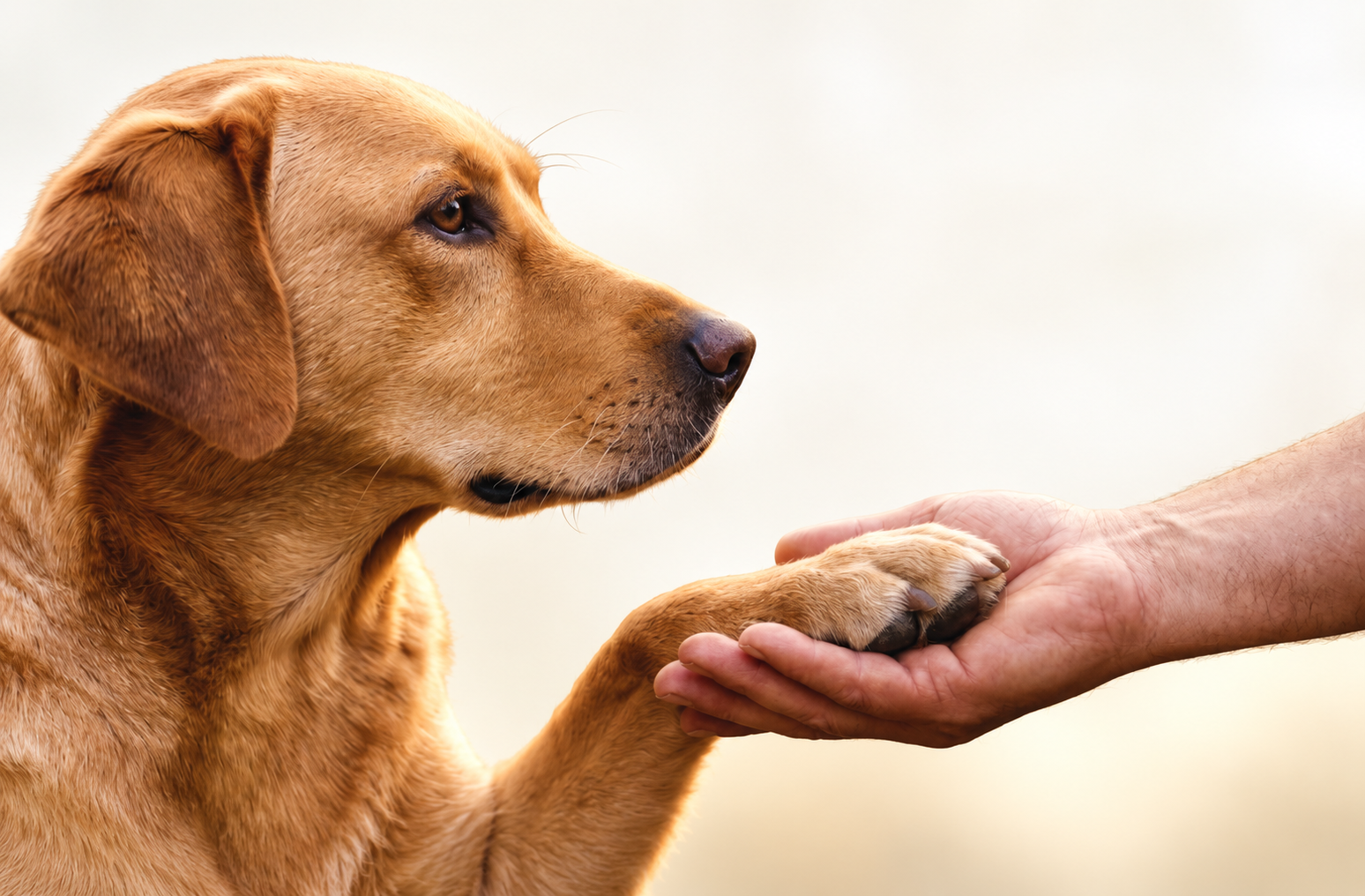
As someone who has spent decades caring for and advocating for animals, I’ve learned to listen with more than just my ears. This article isn’t just about facts — it’s about feelings, instincts, and the invisible bond between dogs and humans.
– by Dr. Gurcharanjit Amole

Dogs may not speak our language, but they communicate in powerful, often misunderstood ways. From subtle signs of distress to joyful signals of love, here’s how you can listen to the voiceless and truly understand what your pet has been trying to tell you all along.
If Only Tails Could Tell Tales
In my years as a veterinary doctor and lifelong friend to animals, I’ve come to believe that dogs don’t just fill our homes — they fill our hearts with silent truths. Every tail wag, every lowered ear, every gaze is a language of loyalty, love, and longing. When we learn to observe with empathy and respond with care, we become more than owners. We become guardians of trust.
Speaking for the speechless means being their voice — but also being their student. Because our pets are always teaching us patience, forgiveness, and unconditional affection.
The next time your pet looks at you, pause. In that gaze may be a question, a thank you, or even a cry for help. You don’t need to speak their language — just understand it.
The Domestication of the Wolf –How the Dog Was Born
- It All Began Over 15,000 Years Ago
Most experts agree that domestication of the wolf began between 15,000 and 30,000 years ago, during the Ice Age, when humans were hunter-gatherers. Wolves and humans likely shared common hunting grounds — and eventually, something deeper.
- Mutual Benefit Sparked the Bond
Early wolves may have approached human camps to scavenge leftovers. The calmer, less aggressive wolves were tolerated — even fed — by humans. Over generations, the friendlier wolves stayed closer, slowly evolving into companions rather than threats.
- The First Domesticated Wolves Were Self-Selected
Scientists believe wolves may have domesticated themselves. The boldest, tamest ones got food and protection
from humans. Their offspring inherited these traits, creating a new population distinct from wild wolves — what we now call dogs.
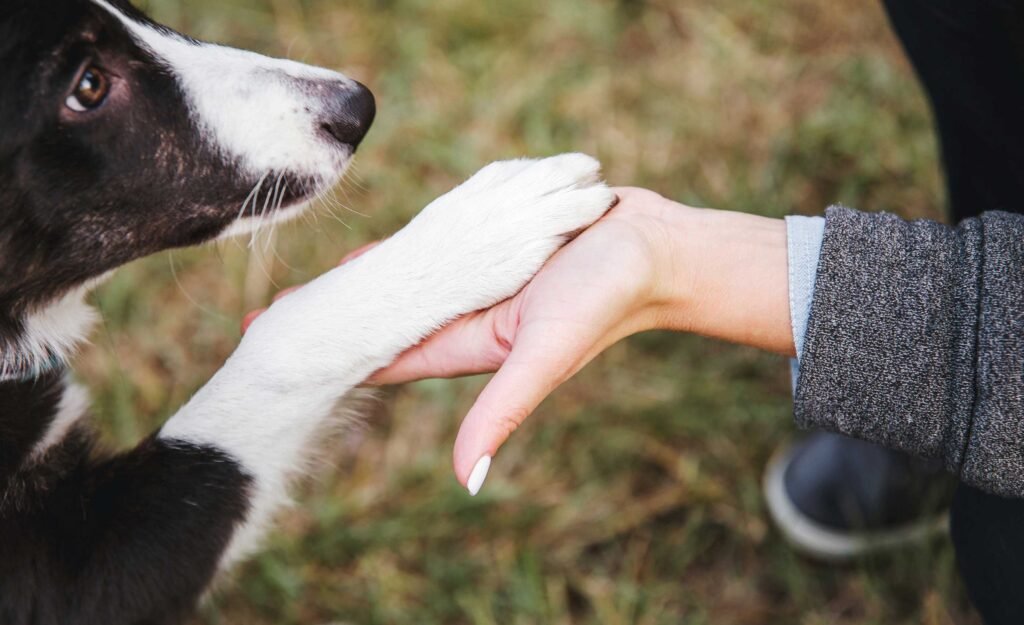
- Genetic Divergence from Wolves
DNA evidence shows that the genetic split between wolves and dogs likely occurred well before humans began agriculture — meaning dogs were not just livestock guardians, but family companions even in pre-farming societies.
- The Earliest Dog Burial Dates Back 14,000+ Years
Archaeologists discovered dog skeletons buried alongside humans, sometimes even with grave goods. One famous find in Bonn, Germany, dates back over 14,000 years — evidence that dogs weren’t just useful, but loved.
- Domestication Changed Dogs Inside and Out
Compared to wolves, early domesticated dogs developed –
- Smaller skulls and teeth
- Floppier ears and curlier tails
- A greater ability to interpret human gestures and emotions
- A more playful, less fearful temperament (even into adulthood)
7. Dogs May Have Influenced Human Evolution Too
Some anthropologists believe dogs helped early humans hunt more effectively, guard their camps, and even bond socially, contributing to the success of human survival and civilization
(Dr. G.S. Amole – BVSc & AH (Amritsar) has an experience of more than four decades in small animal medicine, pet nutrition, and canine behavior.)