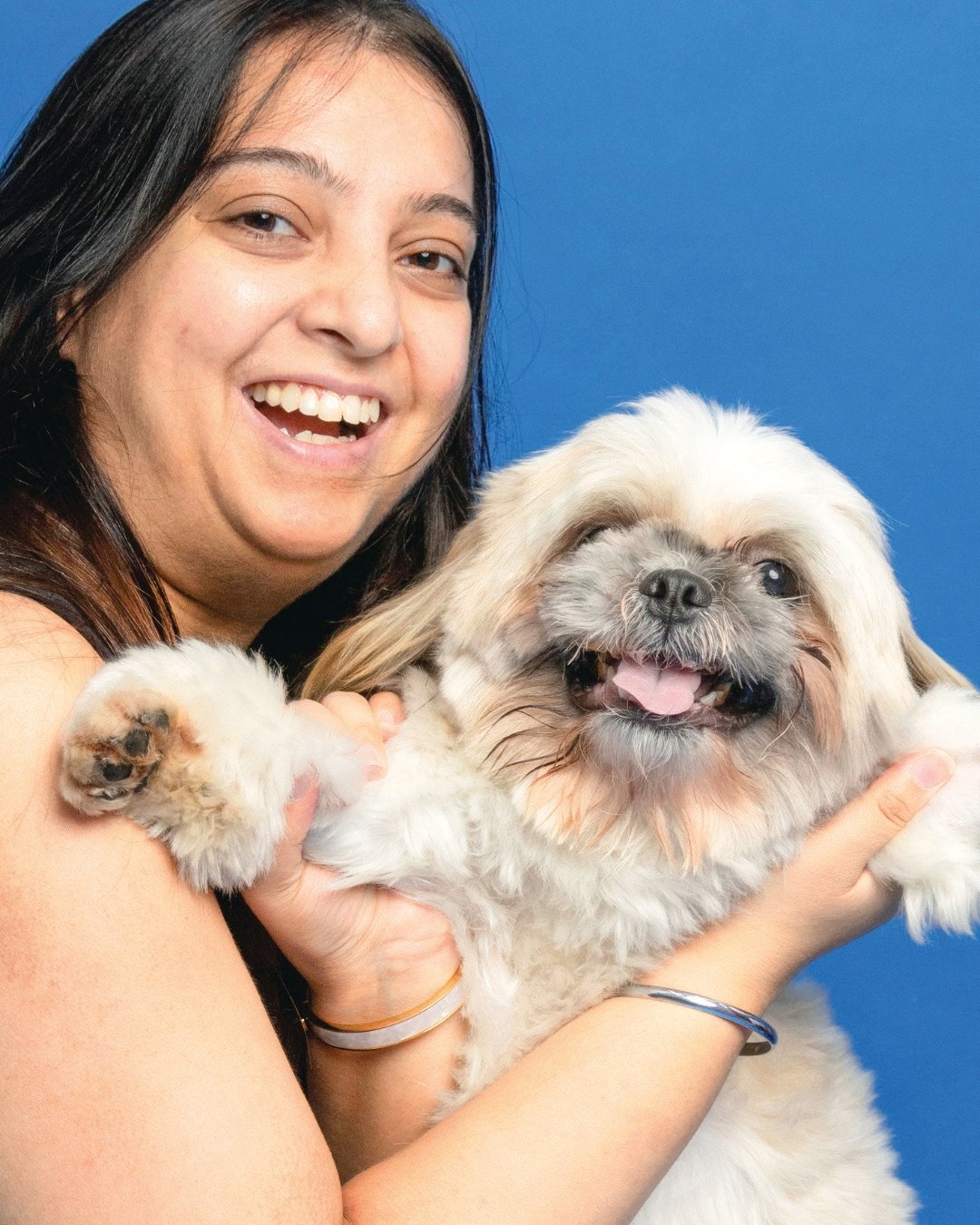
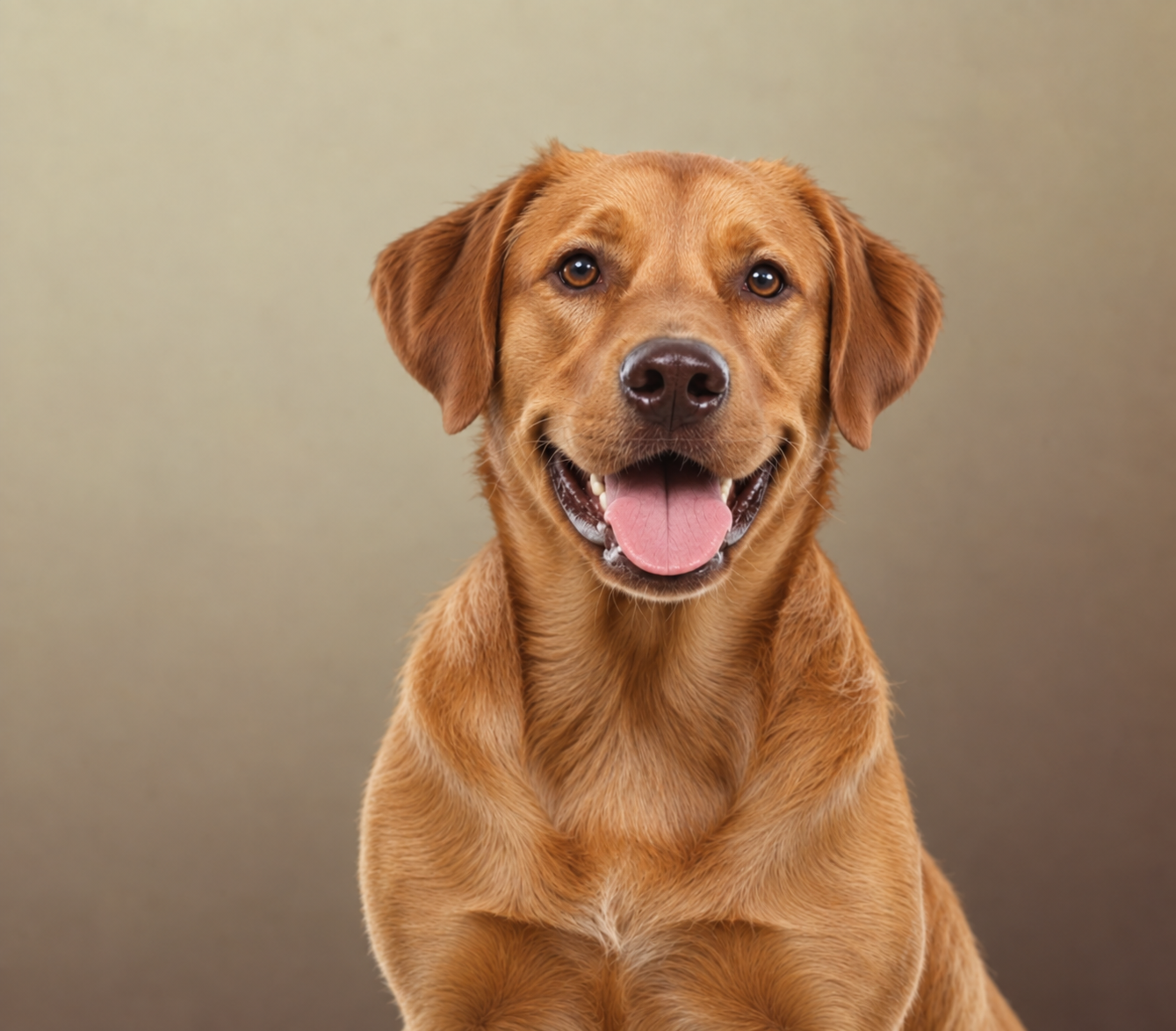
 Labrador Retriever
- Golden Retriever
- Pug
- Great Dane
- SiberianHusky
- Pomeranian
- GermanShephard
- Chow Chow
- Chihuahua
- Tibetan Mastiff
- Bulldog
- Rottweiler
- Shih-Tzu
- Lhasa Apso
- Cocker Spaniel
- Beagle
- Afghan hound
- St. Bernard
- French Bulldog
- Dalmatian
- Dachshund
How many of these do you recognize? If all, then you have crossed level 1 of the challenge. Now things get difficult…
Canine Rarity List
If you’re wondering what some of the lesser-known dog breeds are that you would not see on the streets or at the park, then here’s the list.
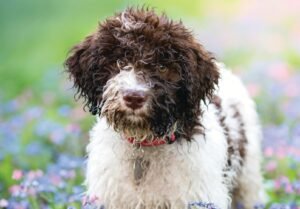 Lagotto Romagnolo
The Lagotto Romagnolo is an Italian breed best known for its water-hunting abilities. A traditional breed from Italy’s Po Delta, it was once used as a water retriever but later became valued for truffle hunting after the wetlands were drained. It is now a popular companion breed and perfect due to its small size! They have a rustic appearance with a curly wool-like coat and are a powerhouse of energy.
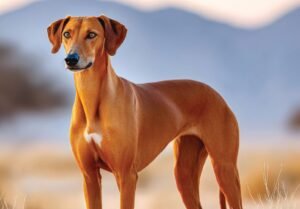 Azawakh
A tall, elegant sighthound, the Azawakh is an ancient breed from West Africa. It is bred across the Sahelian regions of Mali, Niger, and Burkina Faso, including the Azawagh Valley from which the breed takes its name. The breed is known for its slim and muscular structure, and has a short coat which is almost negligible around the belly area. Azawakh have high energy and tremendous endurance. They are excellent training companions for runners.
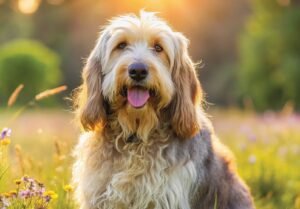 Otterhound
Moving on from West Africa to the English countryside, Otterhound is an English breed. It is a scent-hound and is recognised by the Kennel Club as a Vulnerable Native Breed with around 600 animals worldwide. They have a large-rough coat and webbed feet (perfect for their love for water). Friendly, energetic, and loyal, Otterhounds need plenty of exercise to keep them healthy and happy.
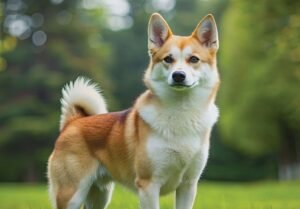 Norwegian Lundehund
This small dog breed from Norway was originally developed for the hunting of puffins and their eggs on inaccessible nesting places in caves and on cliffs. They are small Spitz-type dogs, and the most unique characteristic is that instead of four toes like any other dog breed, they have six toes. The outercoat is dense and rough with a soft undercoat. The Lundehund is adapted to climb narrow cliff paths.
 Tarsus Catalburun
Tarsus Catalburun is popularly known as the Turkish Pointer. It is a native hound of Turkey. The name Catalburun comes from the Turkish language, which means forked nose. Tarsus çatalburuns have a split nose, a rare genetic trait shared by two other breeds: the Spanish Pachon Navarro and the Bolivian Andean Tiger Hound. They are calm, intelligent, and obedient. The coat is short, and the ears are drooping, which frame the face beautifully.
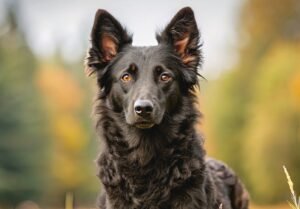 Mudi
Mudi
The Mudi is a herding breed from Hungary. Their discovery goes back to the 1930s. But it is in 2025 that the breed was recognized by the American Kennnel Club and The Kennel Club as a purebred breed. They are super high on energy and are known for their agility. The Mudi participates in a variety of dog sports and competitions like obedience, herding events, Rally obedience, and tracking. They have a medium-length coat that’s curly and are naturally born with a bobtail.
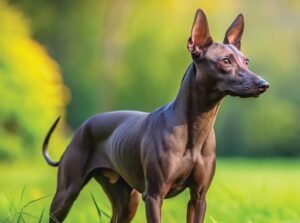 Xoloitzcuintli (Xolo)
The ancient hairless dog of Mexico, Xolo, is pure muscle. They were among the first breeds recorded by the American Kennel Club in 1887. They have a sleek and lean body that looks similar to Pharaoh Hounds. Their almond-shaped eyes and bat-like large ears give this breed its unique appearance. The dominant hairless trait originated in this breed as a spontaneous mutation thousands of years ago. Xolos came from tropical climates and are not suited for outdoor life in colder temperate and northern climates; they should be considered an indoor dog breed.
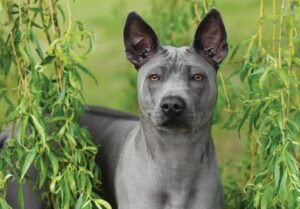 Thai Ridgeback
As the name suggests, the Thai Ridgeback is a dog breed from Thailand. The origins can be traced to the eastern part of Thailand. It is one of the only three breeds in the world that has a ridge of hair that runs along its back in the opposite direction to the rest of the coat. The other two are Rhodesian Ridgeback and Phu Quoc Ridgeback. Their build is muscular and robust, which makes them agile. The coat is short, and because of this, they have minimal shedding. Eight distinctive ridge patterns have been identified: needle, feather, arrow, lute, violin, bowling pin, leaf, and saddleback.
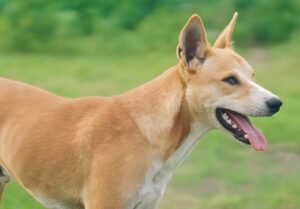 Telomian
Continuing in the Southeast Asian domain, we meet Telomian. It’s indeed a unique and lesser-known breed because they were found in remote villages along the Telom River in the rainforests of the Malay Peninsula. They are super active and affectionate. The unique features include erect ears, curly tails, and short fur. It is believed that some breeders in the US were selling them as purebred, but it was dismissed by the Malaysian Kennel Association when they said that Telomians are pariahs and not a breed.
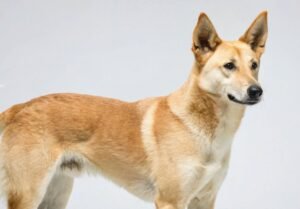 Canaan Dog
The Canaan is a dog breed that is believed to have been developed in the early 20th century from semiwild pariah dogs. It is considered to be the national dog of Israel, but it can be found in and around Jordan, Palestine, and Lebanon. It is popularly known as the Bedouin Sheep Dog and the Palestinian Pariah Dog. Canaan dogs are alert and strongly defensive but not aggressive. They have a typical wild-dog appearance with a dense outer coat and robust body. Because of their strong agility and herding instincts, they participate in dog agility trials, obedience, flyball, tracking, etc. Today, they are recognized by kennel clubs across countries like the USA, Germany, France, Canada, the UK, Finland, and Israel.
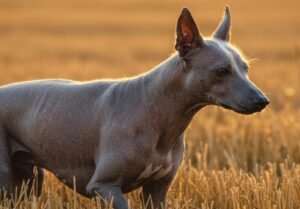 Peruvian Inca Orchid
From the land of Machu Picchu comes the Peruvian Inca Orchid. It is a hairless breed (don’t confuse them with the Mexican hairless breed Xolo) from Peru. It is the only living breed of dog indigenous to Peru. The unique characteristics are – candle-flame shaped ears, a super lean and athletic body that’s completely hairless, and they are usually dark-skinned. You would be fascinated to know that the gene that causes hairlessness also results in the dogs often having fewer teeth than other breeds, mostly lacking premolars and molars. Peruvian Inca Orchid is now a part of the colourful and vibrant national cultural heritage of the country.
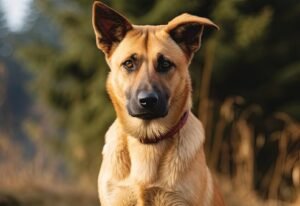 Chinook
Chinook is a sled dog breed that’s native to New Hampshire, USA. The breed is now the official state dog of New Hampshire. They are affectionate and playful, making them a great family companion. They are eager to learn, super loving and devoted towards children, and highly trainable. They have a medium-length double coat in shades of brown and beige.
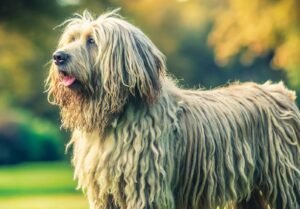 Bergamasco Shepherd
The Italian sheepdog, Bergamasco Shepherd, was originally used as a herding dog for cattle and sheep. Its most distinctive feature is its unique coat of long, felted mats or “flocks” that form naturally, protecting it from harsh weather. Calm, intelligent, and highly loyal, the breed is known for being an excellent working dog as well as a gentle, devoted family companion.
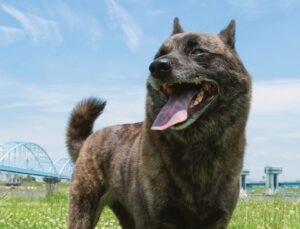 Karelian Bear Dog
Moving to the picturesque Finland now! The Karelian Bear Dog is a Finnish breed, and in its home country this breed is considered a national treasure. It is among the top 10 common breeds in Finland. The Karelian Bear Dog got its name due to its ability to hunt bears. It is known for its quick reflexes and speed, and that’s why it’s popular for hunting large game, including wild boar, brown bears, and moose. They usually have black and white marked fur. They are full of energy and need a lot of space to run around. They are social, territorial, and affectionate.
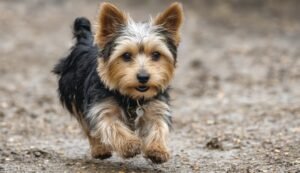 Biewer Terrier
For those who are fans of toy breeds, Biewer Terriers can be your best friend. Native to Germany, they were bred from two Yorkshire Terriers in the early 1980s. One of the most distinctive features is their tri-colored coat (white, black/blue, and gold/tan) with long, flowing, silky hair. Because of their calm and friendly temperament, they make excellent companions for families and kids. Although they are quick learners, sometimes they tend to become stubborn. The Biewer Terrier is one of the few breeds that was recognized as a purebred in the 21st century (by the AKC in 2021).
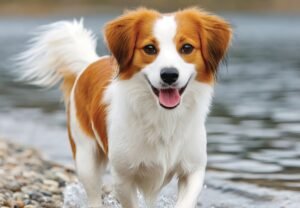 Kooikerhondje
Meet Kooikerhondje, a small Dutch decoy dog used for duck hunting. The history of the breed can be traced back to the 16th century, and it makes appearances in various paintings from the Dutch Golden Age. They are small spaniel-like dogs, super active and agile, and need regular exercise and mental stimulation. The coat is long-haired which needs regular brushing and grooming. It is believed that the breed almost became extinct during World War II, until Baroness van Hardenbroek van Ammerstol rescued it.
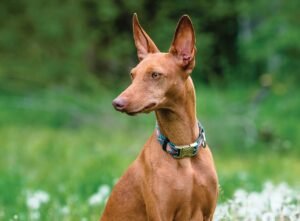 Cirneco dell’Etna
From Italian beauty to breeds! Cirneco dell’Etna is an Italian breed of hunting dog from the Mediterranean island of Sicily. It gets its name from the Etna volcano in eastern Sicily. The first part of the name is derived from Latin. They are sleek, lean, and muscular. The coat is short and fine and is usually in brown and tan colours. They love spending their time outdoors, running, and playing. The breed is extremely loving and is great with kids, so they’ll make a lovely family doggo! They are willing to learn, but can sometimes become stubborn!
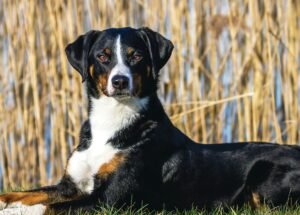 Appenzeller Sennenhund
Appenzeller Sennenhund is a rare breed of working dog from Switzerland. They are one of the four regional breeds of Sennenhund or Swiss mountain dog, all of which are characterised by a distinctive tricolour coat (black, tan, and white or sometimes brown, tan, and white). They are lively, athletic, and protective. They are really strong and quick to learn, and need a lot of time outdoors.
The Appenzeller is the rarest of the four Swiss Mountain Dogs (the others being Bernese, Greater Swiss, and Entlebucher).
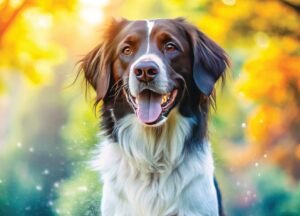 Stabyhoun
The Stabyhoun, or Stabijhoun or Stabij, is considered to be one of the rarest dog breeds in the world. They hail from the Dutch province of Friesland. The name Stabijhoun translates roughly to «stand by dog». The dog is considered a Dutch national treasure. They find their mention in various works of Dutch literature dating back to the 1800s. Stabyhoun are known for being soft-natured, affectionate, and good with children. They have a wavy and long coat and a feathered tail.
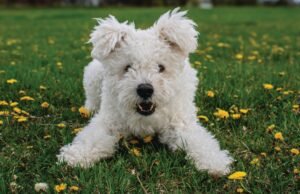 Pumi
Pumi
The Pumi is a Hungarian breed of sheep dog. (The plural is Pumik). They are capable herding dogs, able to gather and work close to farm stock, particularly sheep, to keep them under control. People also popularly call them the ‘Hungarian herding terrier’. The Distinctive semi-erect ears with tips that flop forward give it a whimsical look. The coat is short and curly. They are great with children, friendly and social, are excellent agility and obedience dogs, and extremely playful.
The Pumi is often called the “clown of the herding world” because of its playful nature and animated expressions.
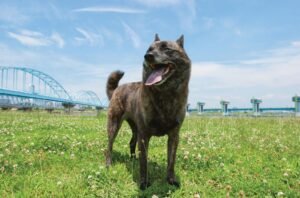 Kai Ken
This article would be incomplete if we didn’t mention a breed from Hachi’s land! Kai Ken or Tiger Dog is native to the Kai region of Japan. It is a rare dog even in its native land and is one of the six native Japanese dog breeds. They were traditionally used for hunting game such as boar and deer. The coat is rough and is characterised by tiger stripes. They are alert, agile, and brave. Kai Kens are great with children and aren’t aggressive towards other dogs.