Cats are often admired for their elegance, soft coats, and the effortless way they carry themselves. But behind every silky fur and sparkling eye lies the secret of grooming, something cats have mastered and humans can help enhance.
— By Marcia D’Souza Dhanraj
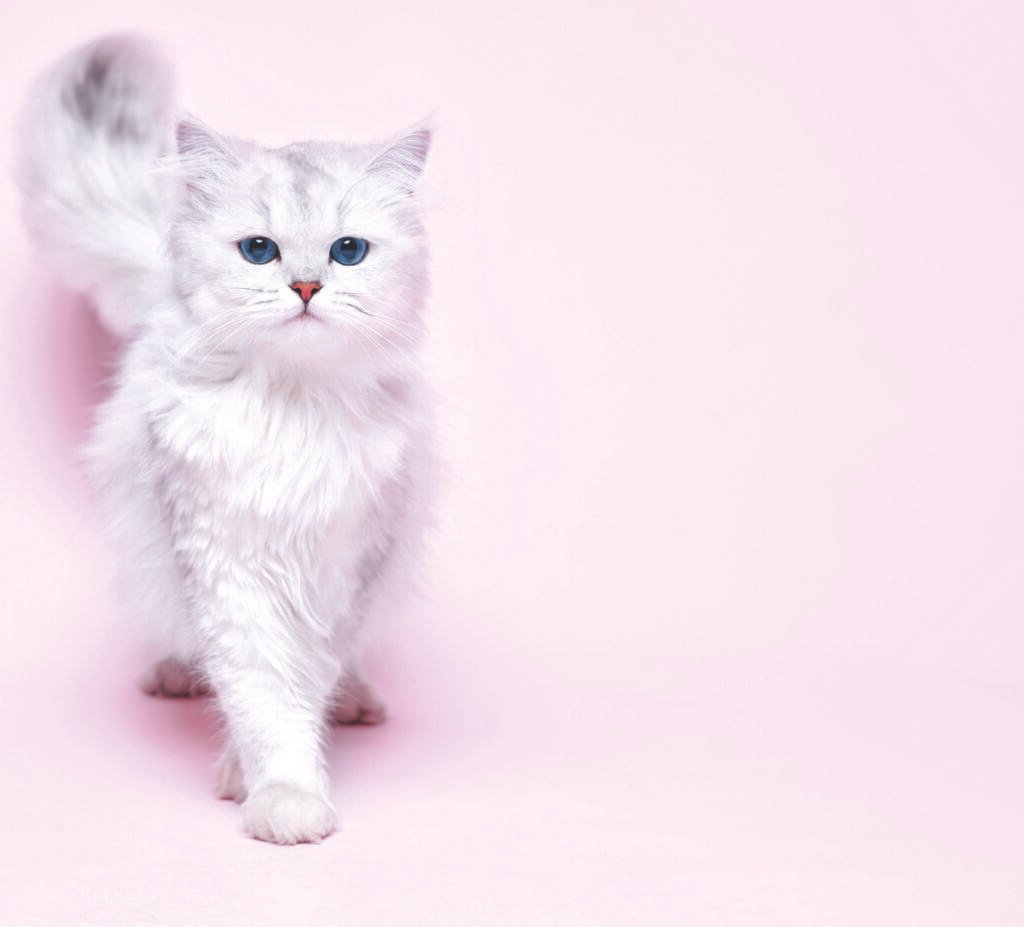
Our feline friends are renowned for their self-cleaning habits, but regular grooming at home (and sometimes professionally) plays a significant role in keeping them healthy, happy, and looking their best.
Cats are often assumed to be low-maintenance when it comes to grooming. After all, they spend up to 50% of their waking hours licking, cleaning, and smoothing out their fur. But here’s the catch: self-grooming doesn’t always cover everything. Cats can develop mats, hairballs, skin issues, or even dental problems if their care is left entirely to them.
Regular grooming ensures –
- Healthy Skin and Coat – Brushing removes dirt, loose fur, and prevents tangles.
- Less Shedding and Fewer Hairballs – A well-brushed cat leaves less fur on your sofa (and in their stomach).
- Bonding Time – Grooming creates trust and strengthens the human-cat relationship.
- Early Health Detection – Regular grooming helps check for spot fleas, lumps, or skin irritations early.
Tiny Acrobats of Cleanliness
Did you know cats have special barbed tongues that act like built-in hairbrushes? Those backward-facing spines (called papillae) are made of keratin, the same substance as our nails, and help them untangle knots, collect loose hair, and even lap up water more efficiently. This is why their grooming seems so precise and thorough.
Brushing – The First Step to Glamour
Short-haired cats may only need a quick brushing once or twice a week, but long-haired breeds like Persians or Maine Coons require daily attention. Without it, mats can form and pull painfully at their skin.
For short-haired cats, use a soft-bristle brush or grooming glove. For long-haired breeds, a metal comb and detangler brush work best.
Always brush in the direction of hair growth. Cats are divas when it comes to comfort. And here’s a little bonus: many cats actually enjoy being brushed if you make it feel like a gentle massage. Some even purr louder during grooming than while being petted!
Bathing a Cat – Mission Impossible?
Contrary to the stereotype, not all cats hate water. Some breeds, like the Turkish Van, are even called “swimming cats” because they love splashing around. Still, most felines prefer to stay dry. Unless your cat has rolled in something sticky, has fleas, or needs a medicated bath, you don’t have to bathe them often.
When you do –
- Use lukewarm water and a gentle cat shampoo
- Keep bath sessions short
- Wrap your cat in a warm towel immediately after the bath
For cats that despise water, waterless shampoos and grooming wipes can be lifesavers.
Nail Trimming – Small Claws, Big Responsibility
Cats’ claws grow continuously, and while scratching posts help, indoor cats especially may need regular trims. Left unchecked, claws can curl into the paw pad, causing pain or infections.
- Trim just the sharp tip, avoiding the pink quick (which contains nerves and blood vessels).
- Start young so your cat gets used to the routine.
- If your cat resists, try one paw at a time or get help from a groomer.
Fun fact: Cats walk on their toes, not their feet. This makes them digitigrade animals, one reason they’re such graceful, silent hunters.
Eye and Ear Care – The Details Matter
A cat’s expressive eyes and swiveling ears deserve attention. For her ears, check weekly for wax, dirt, or redness. Use a vet-approved solution if needed.
Wipe her eyes gently with a damp cotton pad to clear tear stains or debris, especially in flat-faced breeds like Persians.
Dental Hygiene – The Forgotten Step
Cats can develop plaque and gum disease just like humans. Regular brushing with cat-safe toothpaste can prevent dental issues. If brushing is impossible (many cats simply won’t allow it), dental treats and toys are great alternatives.
Purr-fectly Groomed – Fun Facts about Feline Grooming
- Whisker Wisdom – Never trim a cat’s whiskers. They’re sensory tools that help cats navigate their environment, even in the dark.
- Natural Perfume – Cats’ saliva has a unique scent, which is why they spend so much time spreading it across their fur. It helps them “smell like themselves.”
- Hairball Physics – Grooming leads to ingestion of loose fur, and while occasional hairballs are normal, too many can indicate over-grooming or digestive trouble.
Grooming as a Bonding Ritual
For cats, grooming is more than hygiene—it’s an emotional exchange. In the wild, cats groom each other as a sign of trust and affection. When you groom your cat, you’re stepping into that circle of intimacy.
Imagine this, your cat sprawled on the sofa, you brushing gently, both of you sharing a moment of calm. That’s not just grooming, it’s therapy for both pet and human.
When to Call the Experts?
Sometimes, professional help is necessary, especially for –
- Cats with very long or matted coats.
- Senior cats who can’t groom themselves properly.
- Cats who get anxious during grooming, professionals know the right handling techniques.
Many salons even offer spa treatments like de-shedding, paw pad care, and flea treatments, making cats look and feel like royalty.
Cat grooming is not about vanity; it’s about health, comfort, and connection. Whether it’s a quick brush, a nail trim, or a spa day, grooming helps your feline friend feel their best while strengthening the bond you share.
And while cats may have perfected the art of self-care, with your love and effort, they can shine even brighter. Because at the end of the day, a well-groomed cat isn’t just beautiful, it’s happy. And isn’t that the purr-fect goal?
(Marcia D’Souza Dhanraj – Founder of PAWLISH BY MARCIA, Mumbai)