
– by Dr. Marie Holowaychuk

As an emergency and critical care specialist, I often hear pet parents say they would do anything and everything to save their furry friend. What surprises many is that intensive care, once thought of as the exclusive domain of human hospitals, is now available for dogs. Intensive or Critical Care Medicine for dogs, recognized as a specialty in 1989, has experienced rapid growth. When I began veterinary school in 2000, only a handful of Critical Care Specialists worked across Canada. Today, they can be found in every major city.
The ICU – A Dog’s Critical Care Hub
Most large veterinary hospitals now have a dedicated intensive care unit (ICU) at the center of their facility. The ICU is filled with equipment reminiscent of human ICUs: oxygen cages, mechanical ventilators, dialysis machines, defibrillators, fluid and syringe pumps, and monitors for heart rate, blood pressure, oxygen saturation, and more. The main difference is that beds full of humans have been replaced with dogs. Aside from that, the beeps and bustle are remarkably similar.
Patients in the ICU are often critically ill and require constant attention. Many have multiple IV lines, oxygen support, feeding tubes, and monitoring devices. Telemetry has reduced the web of cords, but the “pump to patient ratio”—the number of fluid and drug pumps a patient requires—remains a reliable gauge of illness severity.
Critical Emergencies –Fighting for Every Breath
Some of the most memorable ICU cases involve mechanical ventilation. I’ll never forget a Miniature Dachshund who arrived in severe respiratory distress from heart failure. Within hours, he required mechanical ventilation. After careful weaning, he stabilized, and moments after extubating, he bit me on the nose—a hilarious and heartfelt “thank you” I will never forget.
Not every ventilated patient survives. A young Dachshund puppy who suffered electrocution burns developed acute respiratory distress syndrome (ARDS). It is a life-threatening condition where fluid builds up in the lungs and severely limits oxygen delivery. Despite two weeks of intensive care, her lungs could not recover, and her pet parents made the painful decision to euthanize. The ICU team grieved alongside them.
Other medical emergencies include pets with diabetic ketoacidosis (DKA), an endocrine crisis where dangerously high blood sugar and electrolyte imbalances threaten life. These patients require several days of close monitoring in the ICU to safely correct their metabolism, often with multiple fluid and insulin infusions running simultaneously.
Pets with severe toxin ingestion or autoimmune disease may require advanced therapies such as hemoperfusion or therapeutic plasma exchange using a dialysis machine. These procedures remove harmful substances from the bloodstream, buying time for your furry friend’s own organs to recover. Not every patient can be saved, but when they are, the feeling is incredible.
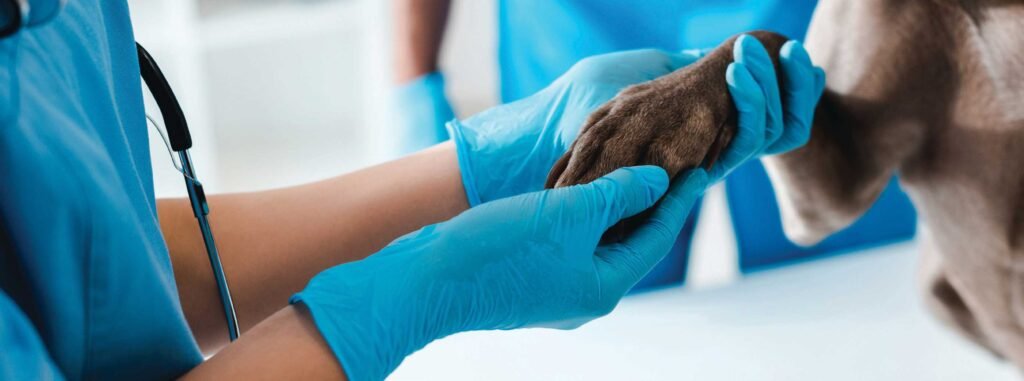
Trauma and Surgery – High-Stakes Interventions
Trauma cases are frequent in the ICU. Dogs hit by cars may arrive with internal bleeding, requiring blood transfusions, oxygen therapy for bruised lungs, and surgery to repair broken bones. Stomach torsion, or GDV, is another common emergency. It occurs when a dog’s stomach twists, cutting off blood flow and causing life-threatening shock. Pets with GDV arrive on the brink of collapse. Emergency surgery is often just the first step; careful ICU monitoring and support are crucial for recovery.
Surgical patients with intestinal foreign bodies, ruptured spleens, or severe fractures also rely on the ICU for stabilization postoperatively. The combination of constant monitoring, advanced therapies, and expert nursing often determines whether these pets survive and thrive.
The Emotional Rollercoaster
Working in a veterinary ICU is an emotional rollercoaster. The highs, such as bringing pets back from the brink, witnessing miraculous recoveries, and seeing families reunited with their furry friend, contrast sharply with the lows of losing patients despite exhaustive efforts. Each case tests the limits of medical skill, ethical judgment, and emotional resilience.
As a colleague of mine once said, “Just because we can doesn’t mean we should.” Ethical challenges are ever-present, balancing hope, practicality, and compassion for both patients and their families.
Despite the emotional toll, few veterinary ICU specialists would trade their work for something else. The rewards of high-stakes medicine, team collaboration, and helping families navigate life-and-death decisions create a profound sense of purpose. In the ICU, hope and heartbreak coexist daily, but the healing for both pets and their humans is what makes this specialty unforgettable.
(Dr. Marie Holowaychuk – DVM, DACVEC; is a board-certified emergency and critical care specialist, keynote speaker, mental health advocate, and author of A Compassionate Calling: What It Really Means to Be a Veterinarian. She has over 20 years of experience in veterinary medicine.)