
For most of a dog’s life, movement is instinctive. They follow you from room to room and settle wherever they please without thinking twice. But with age, movement changes quietly. Not dramatically. Not overnight. Just enough for us to miss it. In many cases, the first problem isn’t pain. It’s trust.
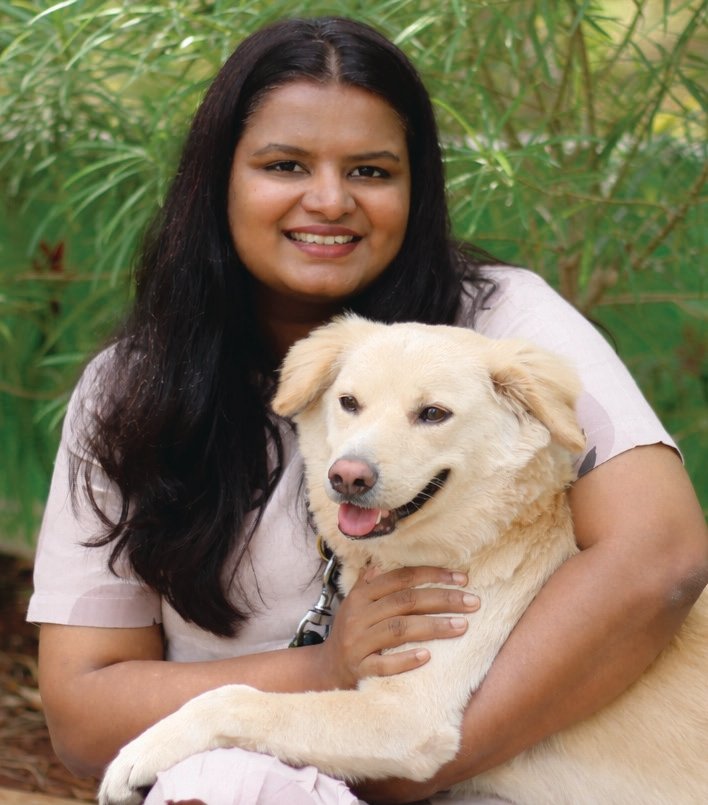
– by Aneesha Pillai
In urban Indian homes, smooth marble and vitrified tiles are everywhere. While easy to clean, they present a unique evolutionary challenge. A dog’s paw is designed for nature—for digging into soil and gripping grass. On smooth, hard tiles, those claws find no grip. They simply slide.
Changing flooring is often impossible in apartments. For senior pets with arthritis, these slippery floors make moving around feel unsafe.
When Slipping Comes Before Pain
Arthritis is one of the most common age-related conditions. It causes stiffness and inflammation, often made worse by instability. Hip dysplasia often begins in young pets, but it worsens as they age and lose muscle strength.
You notice it in the little things: a pause before standing, a sudden slip, or nails clicking frantically against the floor to find balance. These moments are often dismissed as “just old age.” But for your pet, each slip sends a clear message: the floor is no longer predictable.
The Hidden Signs of Decline
What often surprises people is that mobility decline doesn’t always begin with physical limitation. It begins with hesitation. Dogs that can still walk start choosing to. They stay put instead of following you; they avoid certain rooms. Not because they can’t move, but because slipping once was enough.
Over time, this reduced movement leads to muscle loss, placing even more strain on sensitive joints. A physical issue quietly becomes an emotional one.
Breeds That May Need Extra Support
Genetics plays a significant role in how pets age. Large breeds, such as Labradors, Golden Retrievers, German Shepherds, and Rottweilers, are at a higher risk of developing hip dysplasia and arthritis. Years of load-bearing often make mobility challenges visible in their senior years.
However, smaller breeds are not immune. Shih Tzus, Pugs, Dachshunds, and many mixed-breed dogs frequently develop arthritis, especially if they have lived largely indoors or had limited muscle conditioning.
Why Indoor Floors Deserve Attention
We often underestimate the mental load of walking on ice, which is effectively what a marble floor feels like to a senior pet.
When a furry buddy slips, his body creates a “micro-tensing” reaction to stabilise itself. For a pet with arthritis, this constant tensing causes secondary muscle pain. Your pets aren’t just sore from their joints; they are exhausted from the effort of trying not to fall. This creates a vicious
Cycle; he fears the floor, so they move less. Moving less makes them weaker, which makes them slip more.
The Search for Stability
To fix the floor problem, many pet parents try yoga mats or runners. These are excellent, but you cannot carpet every inch of a home.
This leads many to try standard alternatives, but these often fail –
- Standard Dog Socks: These can twist, leaving the slick fabric under the paw, which actually slips.
- Heavy Outdoor Shoes: Thick soles can disconnect the dog from the floor entirely, reducing “proprioception” (sensory feedback). For a senior pet, this loss of feeling can increase insecurity.
Shifting to Specialised Care
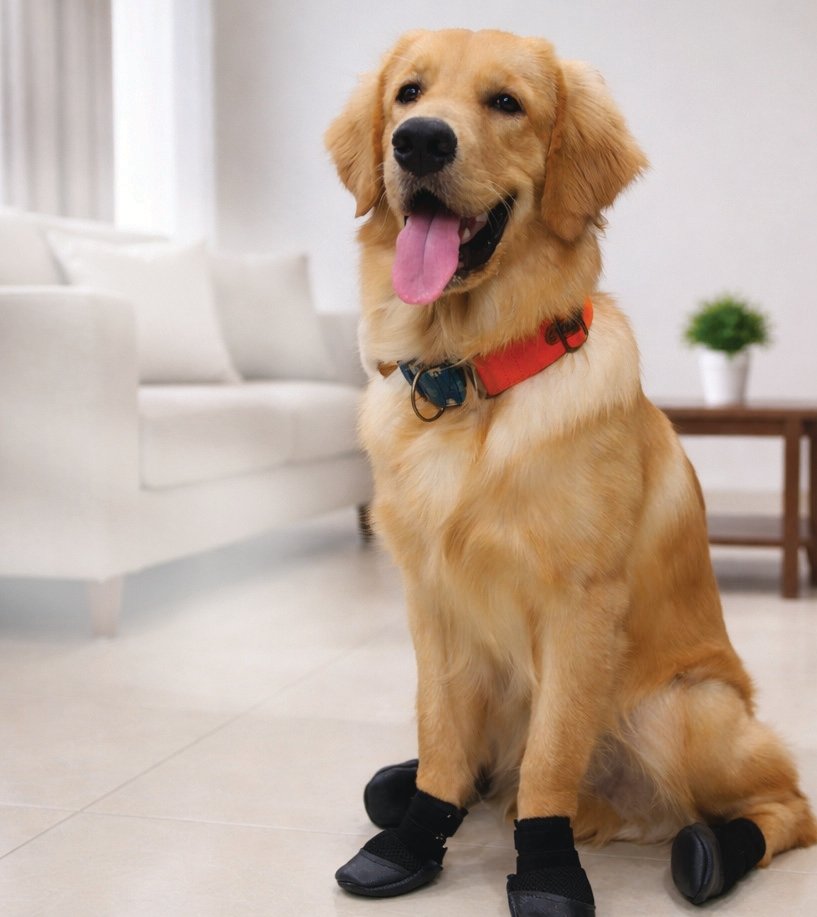
This is why there has been a shift towards specialised indoor traction aids, such as Zoof Grips.
Unlike heavy outdoor boots, these are designed for indoor stability. Their main goal is to provide maximum surface contact so the pet doesn’t slip, while keeping the paws airy and cool.
The design intent is distinct; it isn’t about shielding the paw from the road, but about anchoring it to the floor. This allows the dog to push off using their natural mechanics, replacing the friction that their claws can no longer provide on marble.
The “One Week” Rule
Whether introducing a brace or traction aids, accept that the first day often feels like a failure. Senior pets may freeze or “high-step” awkwardly, causing many parents to give up.
But stick to the “One Week Rule.” Use the gear for short bursts paired with treats for seven days. As the brain rewires, the sensation moves from strange to normal. Once they realise the gear helps, the awkwardness vanishes – replaced by confidence.
Mobility Is Also Emotional
When senior pets feel safe moving, the effects go beyond joints. They rejoin everyday life, resuming old spots under the dining table and following familiar routines.
Movement is tied to independence. Preserving that independence is one of the most meaningful forms of care we can offer. Ageing is inevitable, but loss of confidence doesn’t have to be. Sometimes, caring for an ageing dog isn’t about pushing them to do more. It’s about making their world easier to trust again.
(Aneesha Pillai is a canine mobility specialist and the founder of Zoof Pets, dedicated to creating biomechanically appropriate footwear for senior dogs.)